







Features:
-
Category:
-
Posted at:
-
Author:
- Fabienne Rauw
-
BAUNAT Antwerp
-


-
Reading time:11 minutes
In this article:
- What Is a Brown Diamond?
- How Brown Diamonds Are Graded: Hue, Tone & Saturation
- The Special Significance Of a Brown Diamond
- The Value Of a Brown Diamond
- Brand Standards & Rarity: What 'Chocolate' or Branded Brown Diamonds Mean
- Why Opt For Coloured Diamond Jewellery?
- Styling: Best Metal Pairings and Setting Strategies for Brown Diamonds
- Have Your Unique Jewellery Made-To-Measure at BAUNAT
- Brown Diamonds in Design & at Auction
- Discover Other Coloured Diamonds
Why Are Brown Diamonds So Popular For Engagement Rings?
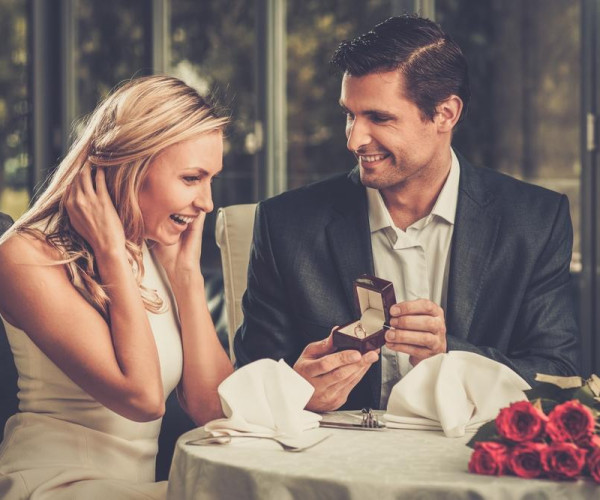
Diamonds can be found in various colours. You will undoubtedly have heard of pink or yellow diamonds but did you know brown diamonds also exist? Men are increasingly passing over the classic solitaire ring and pleasantly surprising their partner with an engagement ring with a coloured diamond or precious stone. Colour reflects personality and certain characteristics and often says more than traditional colourless diamonds. Brown diamonds are currently very popular. The colour is timeless and lovely in combination with colourless diamonds.
Read summary
Why Are Brown Diamonds Gaining Popularity in Engagement Rings?
Are you looking for something unique yet timeless for your engagement ring? Brown diamonds are emerging as a popular alternative to traditional colorless diamonds. These gems, primarily sourced from Australia's Argyle mine, get their rich hue from natural pressure during formation rather than chemical reactions.
Available in champagne, cognac, and chocolate gradations, brown diamonds symbolize love and energy while reportedly strengthening relationships. Though they sparkle less than colorless diamonds, their growing popularity stems from their distinctive appearance and affordability compared to other colored diamonds.
For maximum impact, brown diamonds shine best when paired with colorless diamonds in settings other than solitaires. Set in yellow gold, they create a classic look, while white gold or platinum offers a more contemporary feel. As demand increases, these diamonds may become more valuable, making them both a meaningful and potentially wise choice for engagement rings.
Most viewed diamond jewels
-
![1.00Ct halo ring in white gold with oval diamond]() Bestseller1.00Ct halo ring in white gold with oval diamondFrom USD 5.210,00 (excl. VAT)
Bestseller1.00Ct halo ring in white gold with oval diamondFrom USD 5.210,00 (excl. VAT) -
![1.00 carat solitaire cluster ring in white gold with marquise diamond]() BestsellerNew1.00 carat solitaire cluster ring in white gold with marquise diamondFrom USD 4.320,00 (excl. VAT)
BestsellerNew1.00 carat solitaire cluster ring in white gold with marquise diamondFrom USD 4.320,00 (excl. VAT) -
![0.95 carat diamond rose design ring in white gold]() NewPrincess Delphine0.95 carat diamond rose design ring in white goldFrom USD 15.720,00 (excl. VAT)
NewPrincess Delphine0.95 carat diamond rose design ring in white goldFrom USD 15.720,00 (excl. VAT) -
![1.00 carat solitaire ring with an asscher cut diamond in white gold]() Bestseller1.00 carat solitaire ring with an asscher cut diamond in white goldFrom USD 4.620,00 (excl. VAT)
Bestseller1.00 carat solitaire ring with an asscher cut diamond in white goldFrom USD 4.620,00 (excl. VAT) -
![1.00 carat solitaire ring with a cushion diamond and hidden halo in white gold]() BestsellerNew1.00 carat solitaire ring with a cushion diamond and hidden halo in white goldFrom USD 3.940,00 (excl. VAT)
BestsellerNew1.00 carat solitaire ring with a cushion diamond and hidden halo in white goldFrom USD 3.940,00 (excl. VAT)


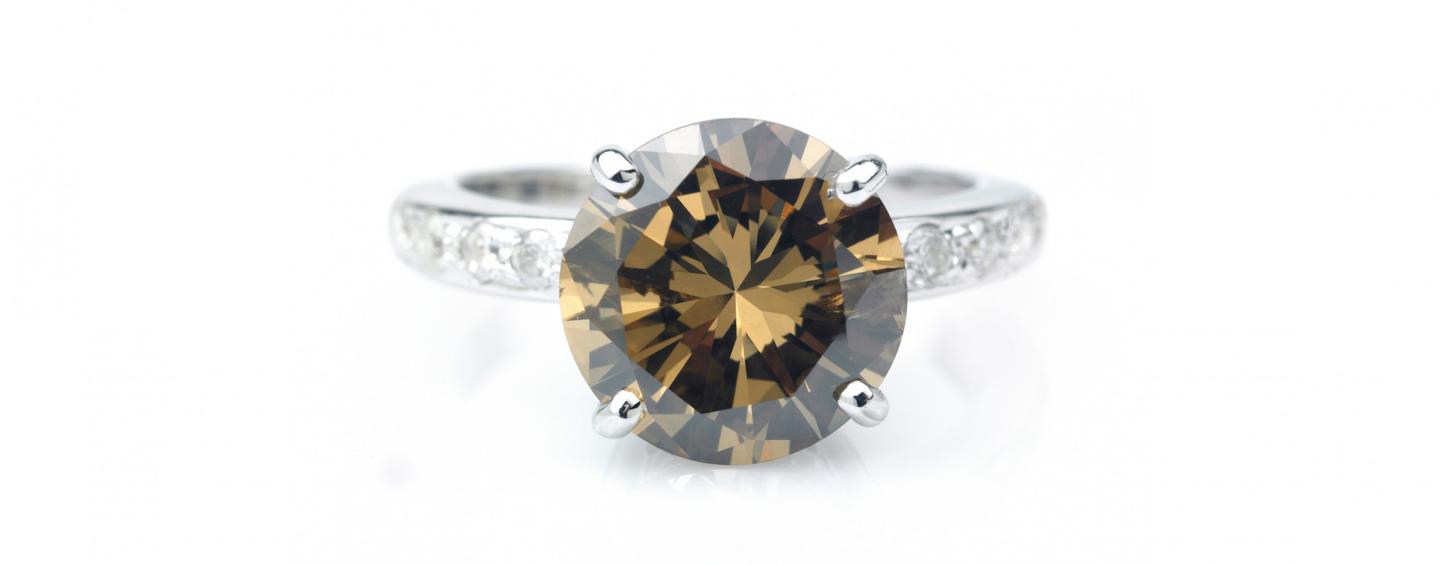
- Champagne
- Cognac
- Chocolate
All gradations are richly coloured. The darker the diamond, the more expensive it is. The only question is which you prefer.
How Brown Diamonds Are Graded: Hue, Tone & Saturation
Hue is the dominant colour you see. For brown diamonds the base hue is brown, but secondary hints of yellow, orange or even green can appear. A warm yellow-brown will read lighter and more golden; an orange-brown will look richer, closer to cognac or chocolate in everyday light.
Tone is how light or dark the stone appears, from pale champagne-like tones to deep chocolate. Lighter tones usually show more sparkle and can seem larger because they reflect more light. Darker tones bring colour depth and richness but can reduce scintillation.
Saturation measures the intensity of the hue, from faint to vivid. Low saturation produces a delicate, soft brown often described as warm champagne; high saturation gives a concentrated brown seen in deep cognac or chocolate stones. Saturation strongly affects the stone’s visual impact and how it pairs with metals and accent diamonds.
Argyle context: the Argyle mine used an internal C1–C8 descriptive scale to sort brown diamonds by appearance. In simple terms, C1–C3 correspond to the palest, most champagne-like stones; C4–C6 cover mid-range tones often called cognac or rich champagne; C7–C8 describe the deepest, chocolate-like tones. These labels helped the trade use consistent language, and market names such as "champagne", "cognac" and "chocolate" map roughly onto those ranges. Note that Argyle’s terminology is descriptive and does not replace a laboratory grading report.
Practical checklist for buyers:
- Ask for colour descriptions that specify hue, tone and saturation rather than a single marketing name.
- Request photographs of the actual stone under daylight and warm incandescent light so you can assess tone and saturation.
- Compare any Argyle-derived descriptor with an independent grading report; terminology and emphasis can differ between trade, brand and laboratory reports.
- Expect the seller to explain secondary hues and how they affect appearance with your chosen metal and accent stones.
The Special Significance Of a Brown Diamond
Brown diamonds reduce stress
The Value Of a Brown Diamond

Brand Standards & Rarity: What 'Chocolate' or Branded Brown Diamonds Mean
Branded programmes aim for consistent appearance across pieces, and their descriptions highlight selectiveness to support a distinctive product. When brands quote rarity figures, they communicate that only a minority of rough material shows the exact hues and clarity the brand requires. Those numbers reflect sourcing and selection choices and are best read as brand statements rather than independent facts.
Neutral guidance for buyers:
- When a seller uses a trademarked or proprietary name, request the exact selection criteria in writing, including any Argyle-derived colour-band references and minimum clarity levels.
- Ask for independent documentation or a laboratory report in addition to any brand statement so you can compare the claim with standard grading language.
- Treat brand rarity percentages as a marketing datum: they indicate selectiveness but do not replace transparent grading or provenance information.
- If consistent colour and clarity matter to you, ask to view multiple stones or comparable rings to verify the brand’s promise in person.
Why Opt For Coloured Diamond Jewellery?
Combine a brown diamond with colourless diamonds to make it really stand out
Styling: Best Metal Pairings and Setting Strategies for Brown Diamonds
Best metal pairings for brown diamonds
Yellow gold solitaire: warm tone amplification for lighter champagne browns. A pale brown set in yellow gold reads sunlit and classic; the gold enhances golden undertones and creates a vintage-leaning look.Red gold halo with small white diamonds: adds warmth and sparkle. Rose gold deepens the rosy-brown character of cognac tones and, when framed by white-diamond accents, balances warmth with noticeable brilliance.
Platinum with white-diamond accents: high contrast for darker chocolate-browns. A deep brown centre in a platinum setting with colourless side stones creates contrast, making the side diamonds stand out and emphasising the centre stone’s richness.
Setting and accent strategies to maximise contrast
Halo of small white diamonds around a brown centre: this classic approach uses bright accents to increase perceived size and light return, especially effective for mid-tone champagne and cognac stones.Bezel or flush channels for a modern, tonal look: a narrow bezel in yellow or rose gold can amplify warmth and create a seamless, monochrome appearance suited to rosy or amber-infused browns.
Split-shank or pavé shoulders with mixed white and brown melee: placing tiny white melee on the shoulders and small brown melee near the centre produces an ombré effect that highlights the centre colour without overwhelming it.
Trade-offs and what to ask a jeweller
Choosing metal and setting involves trade-offs between colour harmony, contrast and perceived size. Lighter-toned browns with warmer metals read larger and airier; darker browns with cool metals read richer but slightly smaller. Ask to see professional photographs and videos of the actual ring under daylight and incandescent light, and request comparison photos showing the stone next to neutral colourless diamonds so you can judge contrast and sparkle in context.
Have Your Unique Jewellery Made-To-Measure at BAUNAT


Brown Diamonds in Design & at Auction
Designers and couture jewellers use brown diamonds in signature pieces, drawing on their warm tones to create autumnal palettes and vintage-inspired collections. These designs show how brown diamonds can be positioned as distinctive, wearable luxury rather than a niche novelty.
Public figures and celebrities have chosen brown or cognac-toned diamonds for red-carpet and engagement pieces, which has increased the stones’ cultural visibility and signalled wider acceptance of coloured diamonds. High-profile use helps buyers see brown diamonds as a fashionable alternative rather than an obscure choice.
Discover Other Coloured Diamonds
-
Fabienne Rauw
-
BAUNAT Antwerp
-
-
Fabienne, manager of the German market is able to guide every client with finding the right jewel. She takes care of most of the German orders, but also takes other task on her plate. Thanks to her six years of experience at BAUNAT she acquainted well with the product and the marketing around it. Her degree in PR ensures that BAUNAT is well presented across all media channels. For anyone looking into a new investment opportunity, Fabienne is the perfect guide in this process. No question will be left unanswered, and she will help you every step of the way.
Selected Bespoke Projects
• Eternal Bloom bespoke engagement concept - Role: project lead for client briefing and prototype coordination. Fabienne translated personal design references into a 3D-printed prototype, supervised stone selection and ensured the finished piece matched the client’s vision and comfort preferences.
• Personalized anniversary necklace - Role: design coordinator and quality overseer. She managed the custom design process from the initial sketch to final polishing, liaising between client and workshop to preserve proportions and finish.
• Reimagined heirloom ring restoration and redesign - Role: client consultant and technical coordinator. Fabienne guided the client through options to modernize setting details while keeping sentimental elements, delivering a wearable result that respected the original piece.
Her hands-on involvement in bespoke commissions ensures each custom order has a clear brief, careful prototype review and close follow-up with the workshop, so clients receive a tailored jewel that meets both aesthetic and practical expectations.
Professional enquiries
For speaking engagements, press requests or research collaborations, please send your message to BAUNAT’s communications team with the subject line: "Fabienne Rauw - Professional Enquiry." Include a brief description of the request and any relevant dates or documents. The communications team will route enquiries to Fabienne and provide guidance on next steps.
Fabienne, manager of the German market is able to guide every client with finding the right jewel. She takes care of most of the German orders, but also takes other task on her plate. Thanks to her six years of experience at BAUNAT she acquainted well with the product and the marketing around it. Her degree in PR ensures that BAUNAT is well presented across all media channels. For anyone looking into a new investment opportunity, Fabienne is the perfect guide in this process. No question will be left unanswered, and she will help you every step of the way.
Selected Bespoke Projects
• Eternal Bloom bespoke engagement concept - Role: project lead for client briefing and prototype coordination. Fabienne translated personal design references into a 3D-printed prototype, supervised stone selection and ensured the finished piece matched the client’s vision and comfort preferences.
• Personalized anniversary necklace - Role: design coordinator and quality overseer. She managed the custom design process from the initial sketch to final polishing, liaising between client and workshop to preserve proportions and finish.
• Reimagined heirloom ring restoration and redesign - Role: client consultant and technical coordinator. Fabienne guided the client through options to modernize setting details while keeping sentimental elements, delivering a wearable result that respected the original piece.
Her hands-on involvement in bespoke commissions ensures each custom order has a clear brief, careful prototype review and close follow-up with the workshop, so clients receive a tailored jewel that meets both aesthetic and practical expectations.
Professional enquiries
For speaking engagements, press requests or research collaborations, please send your message to BAUNAT’s communications team with the subject line: "Fabienne Rauw - Professional Enquiry." Include a brief description of the request and any relevant dates or documents. The communications team will route enquiries to Fabienne and provide guidance on next steps.