







Features:
-
Category:
-
Posted at:
-
Author:
- Fabienne Rauw
-
BAUNAT Antwerp
-


-
Reading time:6 minutes
In this article:
Traditional jewellery in different cultures around the world
Jewellery has long been a symbol of status, love, and artistic expression. From the gilded halls of ancient Egyptian palaces to the bustling markets of modern-day India, the allure of finely crafted adornments transcends time and geography. Join us on an exquisite tour through traditional jewellery around the world.
Read summary
How do traditional jewelry designs reflect cultural heritage around the world?
From ancient Egyptian scarabs to Indian temple adornments, jewelry serves as a powerful cultural symbol across civilizations. The Egyptians adorned both the living and deceased with gold and gems, believing these materials held magical properties. Greek artisans mastered techniques like filigree and granulation, incorporating mythological motifs into their elegant designs.
Native American tribes used natural materials like turquoise, silver, and feathers for ceremonial pieces, while Indian jewelry traditions include elaborate temple adornments and the significant "16 pieces" for brides. Chinese culture values jade for its talismanic properties and gold for wedding celebrations.
Despite these unique expressions, jewelry universally marks significant life events across cultures, especially weddings. Today, many traditional designs have evolved to incorporate diamonds, blending heritage with contemporary appeal.

Most viewed diamond jewels
-
![3.50 carat diamond tennis bracelet in white gold]() Bestseller3.50 carat diamond tennis bracelet in white goldFrom USD 6.160,00 (excl. VAT)
Bestseller3.50 carat diamond tennis bracelet in white goldFrom USD 6.160,00 (excl. VAT) -
![0.94 carat earrings in white gold with oval diamonds]() 0.94 carat earrings in white gold with oval diamondsFrom USD 3.580,00 (excl. VAT)
0.94 carat earrings in white gold with oval diamondsFrom USD 3.580,00 (excl. VAT) -
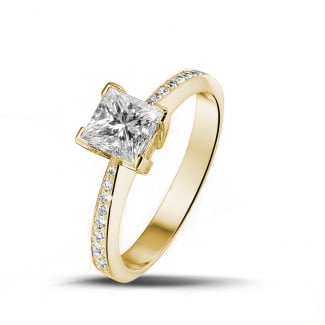
![1.00 carat solitaire ring in yellow gold with princess diamond and side diamonds]() Bestseller1.00 carat solitaire ring in yellow gold with princess diamond and side diamondsFrom USD 3.650,00 (excl. VAT)
Bestseller1.00 carat solitaire ring in yellow gold with princess diamond and side diamondsFrom USD 3.650,00 (excl. VAT) -
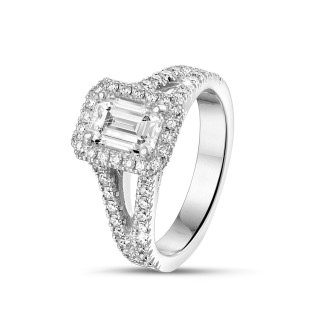
![1.00 carat solitaire ring in white gold with an emerald cut diamond and side diamonds]() Bestseller1.00 carat solitaire ring in white gold with an emerald cut diamond and side diamondsFrom USD 6.660,00 (excl. VAT)
Bestseller1.00 carat solitaire ring in white gold with an emerald cut diamond and side diamondsFrom USD 6.660,00 (excl. VAT) -
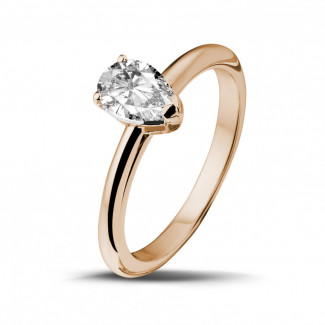
![1.00 carat solitaire ring in red gold with pear shaped diamond]() 1.00 carat solitaire ring in red gold with pear shaped diamondFrom USD 4.130,00 (excl. VAT)
1.00 carat solitaire ring in red gold with pear shaped diamondFrom USD 4.130,00 (excl. VAT)

Ancient Egypt jewellery: birthplace of ornate adornments
Key characteristics:
- Gold and semi-precious stones
- Symbolic motifs (ankhs, scarabs)
- Use of faience (glazed ceramic)

Ancient Greek Jewellery: classical elegance
Greeks, too, evolved to add diamonds to many kinds of traditional jewellery. Modern Greek jewellers have reinterpreted traditional motifs, infusing them with minimalistic elegance and unique interpretations that appeal to a global audience.
Key characteristics:
- Gold and gemstones
- Filigree and granulation techniques
- Mythological motifs
Native American jewellery: earthy and spiritual
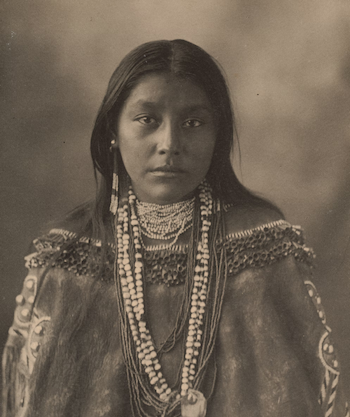
For centuries jewellery has been worn by the Navajo, Apache or Hopi for various ceremonies or rituals. In contrast to modern jewellery, the materials used are mainly pure and unprocessed natural materials, such as shells, feathers or bones. Silver and turquoise, which were processed predominantly for the jewellery of the chiefs or high-ranking tribal members, have very special value. Like in many other cultures, jewellery is indispensable for wedding ceremonies here, too.
- Turquoise and silver
- Beadwork and inlay techniques
- Symbolic designs (animals, nature)

Traditional jewellery of India: symphony of colours
Indian brides are richly decorated with jewellery for the wedding, with at least 16 pieces of jewellery spread over the body according to tradition. Bangles are significant; the bride usually wears a large number of fine gold bangles, but always in unequal numbers on the left and right, which should prevent misfortune.
Key characteristics:
- Intricate designs
- Use of gold, diamonds, and precious stones
- Symbolism in bridal jewellery
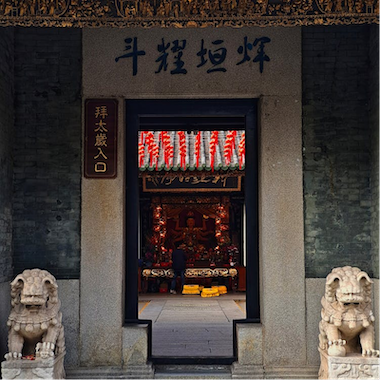
Traditional Chinese jewellery: profound symbolism
Jade jewellery also has a long tradition in China; amulets and carvings made of jade are usually inherited as talismans over many generations in the family. They depict animals; for example, the dragon stands for power and happiness, the goldfish for wealth; almost every animal has a very special meaning.
The Claddagh ring has had many variations since its conception in the 1700s. These rings were personalised and embellished early on, and additions in the shape of diamonds were not long in coming.
Key characteristics:
- Jade and gold
- Symbolic designs (dragons, phoenixes)
- Use of intricate metalwork
The love for jewellery across different cultures
Are you interested in diamond jewellery? The BAUNAT team looks forward to hearing from you and will happy to advise you on your choice.
-
Fabienne Rauw
-
BAUNAT Antwerp
-
-
Fabienne, manager of the German market is able to guide every client with finding the right jewel. She takes care of most of the German orders, but also takes other task on her plate. Thanks to her six years of experience at BAUNAT she acquainted well with the product and the marketing around it. Her degree in PR ensures that BAUNAT is well presented across all media channels. For anyone looking into a new investment opportunity, Fabienne is the perfect guide in this process. No question will be left unanswered, and she will help you every step of the way.
Selected Bespoke Projects
• Eternal Bloom bespoke engagement concept - Role: project lead for client briefing and prototype coordination. Fabienne translated personal design references into a 3D-printed prototype, supervised stone selection and ensured the finished piece matched the client’s vision and comfort preferences.
• Personalized anniversary necklace - Role: design coordinator and quality overseer. She managed the custom design process from the initial sketch to final polishing, liaising between client and workshop to preserve proportions and finish.
• Reimagined heirloom ring restoration and redesign - Role: client consultant and technical coordinator. Fabienne guided the client through options to modernize setting details while keeping sentimental elements, delivering a wearable result that respected the original piece.
Her hands-on involvement in bespoke commissions ensures each custom order has a clear brief, careful prototype review and close follow-up with the workshop, so clients receive a tailored jewel that meets both aesthetic and practical expectations.
Professional enquiries
For speaking engagements, press requests or research collaborations, please send your message to BAUNAT’s communications team with the subject line: "Fabienne Rauw - Professional Enquiry." Include a brief description of the request and any relevant dates or documents. The communications team will route enquiries to Fabienne and provide guidance on next steps.
Fabienne, manager of the German market is able to guide every client with finding the right jewel. She takes care of most of the German orders, but also takes other task on her plate. Thanks to her six years of experience at BAUNAT she acquainted well with the product and the marketing around it. Her degree in PR ensures that BAUNAT is well presented across all media channels. For anyone looking into a new investment opportunity, Fabienne is the perfect guide in this process. No question will be left unanswered, and she will help you every step of the way.
Selected Bespoke Projects
• Eternal Bloom bespoke engagement concept - Role: project lead for client briefing and prototype coordination. Fabienne translated personal design references into a 3D-printed prototype, supervised stone selection and ensured the finished piece matched the client’s vision and comfort preferences.
• Personalized anniversary necklace - Role: design coordinator and quality overseer. She managed the custom design process from the initial sketch to final polishing, liaising between client and workshop to preserve proportions and finish.
• Reimagined heirloom ring restoration and redesign - Role: client consultant and technical coordinator. Fabienne guided the client through options to modernize setting details while keeping sentimental elements, delivering a wearable result that respected the original piece.
Her hands-on involvement in bespoke commissions ensures each custom order has a clear brief, careful prototype review and close follow-up with the workshop, so clients receive a tailored jewel that meets both aesthetic and practical expectations.
Professional enquiries
For speaking engagements, press requests or research collaborations, please send your message to BAUNAT’s communications team with the subject line: "Fabienne Rauw - Professional Enquiry." Include a brief description of the request and any relevant dates or documents. The communications team will route enquiries to Fabienne and provide guidance on next steps.