







Features:
-
Category:
-
Posted at:
-
Author:
- Fabienne Rauw
-
BAUNAT Antwerp
-


-
Reading time:10 minutes
In this article:
Essential diamond care: is it time for a diamond ring inspection?
Diamond rings are not only exquisite pieces of jewellery but also cherished symbols of love and commitment. Whether you are newly engaged, a long-time jewellery enthusiast, or a proud owner of a diamond ring, maintaining the brilliance and integrity of your precious gem should be a top priority. The question is, when was the last time you had your diamond ring checked?
Read summary
Is it time for your diamond ring inspection?
When was the last time you had your diamond ring checked? Regular inspections are crucial for maintaining both the beauty and integrity of your precious investment. Experts recommend professional checks every six months to identify and address minor issues before they become major problems.
Besides routine maintenance, your ring should be inspected after any impact, before special occasions, and during seasonal cleanings. While professional evaluations are essential, you can perform basic checks at home by examining the setting for looseness, cleaning the diamond, assessing clarity, and testing its sparkle.
Remember, your diamond ring represents both financial and sentimental value. Proactive care ensures it continues to shine brilliantly for years to come, preserving both its appearance and security. Don't wait until problems develop—regular maintenance is the key to protecting your cherished symbol of love.
5 Questions to Find Her Perfect Engagement Ring
Are you planning to propose? Finding the right engagement ring is a defining step. Every ring is handcrafted in Antwerp from the finest materials by skilled artisans. Discover what engagement ring fits her personality.
Most viewed diamond jewels
-
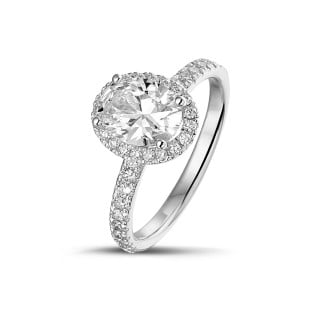
![1.00Ct halo ring in white gold with oval diamond]() Bestseller1.00Ct halo ring in white gold with oval diamondFrom € 5.578,10 (incl. 21% VAT)
Bestseller1.00Ct halo ring in white gold with oval diamondFrom € 5.578,10 (incl. 21% VAT) -
![1.00 carat solitaire cluster ring in white gold with marquise diamond]() BestsellerNew1.00 carat solitaire cluster ring in white gold with marquise diamondFrom € 4.622,20 (incl. 21% VAT)
BestsellerNew1.00 carat solitaire cluster ring in white gold with marquise diamondFrom € 4.622,20 (incl. 21% VAT) -
![0.95 carat diamond rose design ring in white gold]() NewPrincess Delphine0.95 carat diamond rose design ring in white goldFrom € 16.831,10 (incl. 21% VAT)
NewPrincess Delphine0.95 carat diamond rose design ring in white goldFrom € 16.831,10 (incl. 21% VAT) -
![1.00 carat solitaire ring with an asscher cut diamond in white gold]() Bestseller1.00 carat solitaire ring with an asscher cut diamond in white goldFrom € 4.936,80 (incl. 21% VAT)
Bestseller1.00 carat solitaire ring with an asscher cut diamond in white goldFrom € 4.936,80 (incl. 21% VAT) -
![1.00 carat solitaire ring with a cushion diamond and hidden halo in white gold]() BestsellerNew1.00 carat solitaire ring with a cushion diamond and hidden halo in white goldFrom € 4.210,80 (incl. 21% VAT)
BestsellerNew1.00 carat solitaire ring with a cushion diamond and hidden halo in white goldFrom € 4.210,80 (incl. 21% VAT)


Why regular diamond ring checks are essential
Your diamond ring is an investment in both financial and sentimental terms. Over time, even the finest diamonds and settings can experience wear and tear. Regular checks ensure that your ring retains its dazzling beauty and remains secure.
When to have your diamond ring checked
To keep your diamond ring in pristine condition, it’s important to know when to have it checked. Here are some key times to schedule a professional inspection:
Wear, removal and storage tips
- Remove your ring for activities that risk impact or exposure to chemicals: workouts, gardening, household cleaning with bleach or chlorine, swimming in chlorinated pools and when using strong solvents.
- Make the ring the last thing you put on when getting ready and the first thing you take off when undressing. This reduces contact with cosmetics, lotions and hair products that build up on the stone.
- Store rings separately in a padded dish or individual pouch to avoid scratches and tangling. A dedicated ring dish by the sink or bedside encourages consistent placement and reduces the risk of loss.
What not to do
- Do not expose your ring to chlorine, bleach or strong household cleaners; these chemicals can damage metal and settings.
- Avoid abrasive household hacks like toothpaste, baking soda or ketchup, which can scratch metal and harm certain gemstones.
- Do not rely on ultrasonic cleaners for fragile stones or older settings; use them only when advised by a professional.
What a professional inspection includes
A professional inspection is primarily a safety and condition check, separate from a cosmetic cleaning. At a typical bench inspection a jeweller will:
- Examine prongs and settings for wear or movement and tighten or repair as needed.
- Check any clasps or joins and test the integrity of shanks and soldered areas, measuring band thickness where wear is suspected.
- Inspect the stone’s seat and girdle for chips, stress or looseness.
- Perform a functional test, which may include a light tap or gentle pressure test, to confirm stones are secure.
- Recommend and perform professional cleaning, ultrasonic or steam cleaning and polishing as appropriate, and discuss rhodium replating for white gold if required. Inspections focus on safety and structural issues, while professional cleaning and polishing address appearance. Both services complement one another and form part of comprehensive care.
1. Every six months
Experts recommend having your diamond ring professionally inspected every six months. This routine check-up ensures that any minor issues are identified and addressed promptly, preventing larger problems down the line.
2. After any impact
If your diamond ring experiences a significant impact, such as being dropped or knocked against a hard surface, it’s crucial to have it checked immediately. Even if there are no visible signs of damage, a professional inspection can reveal hidden issues.
3. Before special occasions
Planning to wear your diamond ring to a special event or on holiday? Schedule a check-up beforehand to ensure it looks its best and is secure. This extra step gives you peace of mind while enjoying your beautiful jewellery.
4. During seasonal cleanings
Incorporate your diamond ring check into your seasonal jewellery cleaning routine. This not only keeps your ring looking brilliant but also ensures it remains in excellent condition throughout the year.
How to perform a basic diamond ring check at home
While professional inspections are essential, you can also perform basic checks at home to identify any immediate concerns. Here’s a simple guide to conducting a quick diamond ring check:
- Inspect the setting: Carefully examine the prongs and setting for any signs of looseness or damage. If you notice any movement, schedule a professional inspection immediately.
- Clean your diamond: Use a gentle jewellery cleaner and a soft brush to clean your diamond and remove any dirt or oil that may have accumulated.
- Check for clarity: Hold your ring under a bright light and look for any changes in clarity or the appearance of inclusions. If anything looks amiss, consult a professional.
- Test the sparkle: Diamonds should reflect light brilliantly. If your diamond appears dull, it may need a professional cleaning or inspection.
How to clean your engagement ring at home (step-by-step)
- Prepare the solution: Fill a small bowl with warm water and add a few drops of mild dish soap or a gentle jewellery cleaner. Avoid very hot water, which can affect some settings and gemstones
- Soak: Let the ring soak for 10–30 minutes depending on how much grime has built up. For light daily residue, 10 minutes is usually enough; for heavier buildup, allow up to 30 minutes.
- Brush gently: Use a soft-bristled brush and work from the base of the prongs toward the tips with gentle strokes. Pay attention to the underside of the stone, the gallery and between any millgrain or pavé settings to dislodge trapped dirt.
- Rinse thoroughly: Rinse the ring under lukewarm running water to remove soap and loosened debris. Keep a secure grip on the ring while rinsing and use a bowl or plug the drain as a precaution.
- Dry and buff: Pat the ring dry with a lint-free cloth, then buff lightly with a jewellery cloth to restore shine.
Cautions:
- Do not use household abrasives such as toothpaste, baking soda or ketchup; these can scratch metal and affect some gemstones. Ultrasonic cleaners should be avoided for fragile stones and for settings you suspect may be loose.
- Avoid over-cleaning white gold; frequent vigorous polishing can wear down the rhodium plating. If the metal looks dull or the plating has thinned, discuss professional re-plating during an inspection.
Quick cadence summary: Weekly light clean, monthly deeper soak and brush, with exceptions for fragile gems (clean less often) and for rings that show obvious dirt or dullness.
Cleaning & inspection frequency by metal and gemstone
Diamonds (daily wear): Diamonds worn every day benefit from a simple weekly light clean to remove skin oils and lotions, and a deeper monthly soak and brush to maintain brilliance. Professional inspections should follow the general guidance already outlined, and consider more frequent checks if the ring is worn during hands-on activities.
18Kt gold and white gold: For 18Kt gold, a weekly gentle wipe and a monthly deep clean suit daily pieces. White gold has a rhodium finish; avoid excessive home polishing that wears the plating. When white gold appears dull or the finish has thinned, raise the topic of professional re-plating during an inspection rather than polishing it repeatedly at home.
Platinum: Platinum is durable and shows wear differently than gold. Weekly light cleaning and a monthly deeper clean work well for most platinum rings. Because platinum develops a patina rather than losing a surface layer, polishing is usually a professional job performed only when wanted.
Softer gems (opal, pearl, emerald): Softer or porous gems need gentler handling. For pearls and opals, avoid soaking; wipe with a damp, soft cloth after wear and limit deeper cleaning to pieces you don’t wear often. Emeralds with surface-reaching inclusions should be cleaned sparingly with a damp cloth and inspected professionally more often than a hard-stone ring.
Example scenarios
- Daily-worn diamond solitaire: weekly light clean, monthly deep clean, professional inspection every six months.
- Occasional pearl ring: wipe after each wear, deep clean only as needed, professional inspection annually or before a special event.
- Vintage emerald ring: light at-home care only and more frequent professional inspections due to potential fragility and older settings.
The art of selecting a trusted jeweller
Regular diamond ring checks are crucial for maintaining the beauty, security, and value of your cherished jewellery. By scheduling professional inspections and performing basic at-home checks, you can ensure that your diamond ring continues to shine brilliantly for years to come.
Don't wait until it's too late — take proactive steps to care for your diamond ring today. For personalised advice and expert services, book a consultation with one of our skilled jewellers.
Ready to keep your diamond ring in flawless condition? Book a consultation with our experts now.
-
Fabienne Rauw
-
BAUNAT Antwerp
-
-
Fabienne, manager of the German market is able to guide every client with finding the right jewel. She takes care of most of the German orders, but also takes other task on her plate. Thanks to her six years of experience at BAUNAT she acquainted well with the product and the marketing around it. Her degree in PR ensures that BAUNAT is well presented across all media channels. For anyone looking into a new investment opportunity, Fabienne is the perfect guide in this process. No question will be left unanswered, and she will help you every step of the way.
Selected Bespoke Projects
• Eternal Bloom bespoke engagement concept - Role: project lead for client briefing and prototype coordination. Fabienne translated personal design references into a 3D-printed prototype, supervised stone selection and ensured the finished piece matched the client’s vision and comfort preferences.
• Personalized anniversary necklace - Role: design coordinator and quality overseer. She managed the custom design process from the initial sketch to final polishing, liaising between client and workshop to preserve proportions and finish.
• Reimagined heirloom ring restoration and redesign - Role: client consultant and technical coordinator. Fabienne guided the client through options to modernize setting details while keeping sentimental elements, delivering a wearable result that respected the original piece.
Her hands-on involvement in bespoke commissions ensures each custom order has a clear brief, careful prototype review and close follow-up with the workshop, so clients receive a tailored jewel that meets both aesthetic and practical expectations.
Professional enquiries
For speaking engagements, press requests or research collaborations, please send your message to BAUNAT’s communications team with the subject line: "Fabienne Rauw - Professional Enquiry." Include a brief description of the request and any relevant dates or documents. The communications team will route enquiries to Fabienne and provide guidance on next steps.
Fabienne, manager of the German market is able to guide every client with finding the right jewel. She takes care of most of the German orders, but also takes other task on her plate. Thanks to her six years of experience at BAUNAT she acquainted well with the product and the marketing around it. Her degree in PR ensures that BAUNAT is well presented across all media channels. For anyone looking into a new investment opportunity, Fabienne is the perfect guide in this process. No question will be left unanswered, and she will help you every step of the way.
Selected Bespoke Projects
• Eternal Bloom bespoke engagement concept - Role: project lead for client briefing and prototype coordination. Fabienne translated personal design references into a 3D-printed prototype, supervised stone selection and ensured the finished piece matched the client’s vision and comfort preferences.
• Personalized anniversary necklace - Role: design coordinator and quality overseer. She managed the custom design process from the initial sketch to final polishing, liaising between client and workshop to preserve proportions and finish.
• Reimagined heirloom ring restoration and redesign - Role: client consultant and technical coordinator. Fabienne guided the client through options to modernize setting details while keeping sentimental elements, delivering a wearable result that respected the original piece.
Her hands-on involvement in bespoke commissions ensures each custom order has a clear brief, careful prototype review and close follow-up with the workshop, so clients receive a tailored jewel that meets both aesthetic and practical expectations.
Professional enquiries
For speaking engagements, press requests or research collaborations, please send your message to BAUNAT’s communications team with the subject line: "Fabienne Rauw - Professional Enquiry." Include a brief description of the request and any relevant dates or documents. The communications team will route enquiries to Fabienne and provide guidance on next steps.