







Features:
-
Category:
-
Posted at:
-
Author:
- Fabienne Rauw
-
BAUNAT Antwerp
-


-
Reading time:9 minutes
In this article:
Buying jewellery: the fascinating psychology behind it
In a world where trends come and go, jewellery has remained a timeless symbol of beauty, status, and personal expression. From ancient times to modern society, adorning ourselves with jewellery has been an intrinsic part of human culture. But why do we cherish these sparkling treasures so deeply? Let's explore how jewellery fits into our basic needs and what drives our enduring love for it.
Read summary
Why Are We So Drawn to Jewelry Throughout History?
Jewelry captivates us beyond its material value, fulfilling deep psychological needs. Using Maslow's hierarchy of needs as a framework, we can understand how jewelry satisfies our desire for belonging through relationship symbols like engagement rings, builds esteem as status markers in our social media age, and enables self-actualization through personal expression.
The emotional impact of jewelry is profound—wearing the perfect piece can instantly boost confidence and mood, becoming a form of self-care and empowerment. Modern jewelry purchasing has evolved into a self-rewarding activity, with people celebrating personal achievements through meaningful pieces.
While historically reserved for the elite, today's jewelry transcends traditional boundaries of wealth and gender, becoming more inclusive and expressive. This timeless adornment continues to serve as a powerful medium for personal storytelling and emotional connection.

Most viewed diamond jewels
-
![3.50 carat diamond tennis bracelet in white gold]() Bestseller3.50 carat diamond tennis bracelet in white goldFrom € 6.594,50 (incl. 21% VAT)
Bestseller3.50 carat diamond tennis bracelet in white goldFrom € 6.594,50 (incl. 21% VAT) -
![0.94 carat earrings in white gold with oval diamonds]() 0.94 carat earrings in white gold with oval diamondsFrom € 3.823,60 (incl. 21% VAT)
0.94 carat earrings in white gold with oval diamondsFrom € 3.823,60 (incl. 21% VAT) -
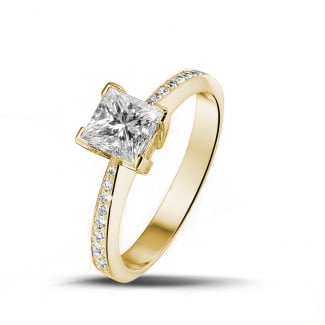
![1.00 carat solitaire ring in yellow gold with princess diamond and side diamonds]() Bestseller1.00 carat solitaire ring in yellow gold with princess diamond and side diamondsFrom € 3.908,30 (incl. 21% VAT)
Bestseller1.00 carat solitaire ring in yellow gold with princess diamond and side diamondsFrom € 3.908,30 (incl. 21% VAT) -
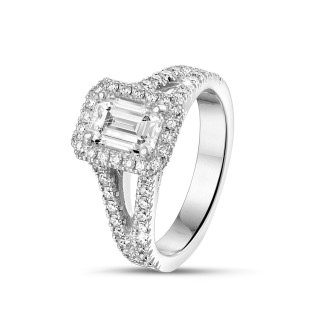
![1.00 carat solitaire ring in white gold with an emerald cut diamond and side diamonds]() Bestseller1.00 carat solitaire ring in white gold with an emerald cut diamond and side diamondsFrom € 7.126,90 (incl. 21% VAT)
Bestseller1.00 carat solitaire ring in white gold with an emerald cut diamond and side diamondsFrom € 7.126,90 (incl. 21% VAT) -
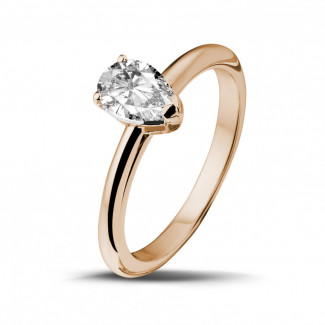
![1.00 carat solitaire ring in red gold with pear shaped diamond]() 1.00 carat solitaire ring in red gold with pear shaped diamondFrom € 4.416,50 (incl. 21% VAT)
1.00 carat solitaire ring in red gold with pear shaped diamondFrom € 4.416,50 (incl. 21% VAT)
The human connection to wearing jewellery
Jewellery across cultures — quick examples
Zulu beadwork communicates social information through colour and pattern; specific combinations traditionally signalled age, marital status and courtship intentions, turning small beads into a public language of relationships.
In contrast, the Padaung neck rings of some South-East Asian communities mark cultural identity and continuity: the rings are a visible sign of belonging and traditional beauty ideals, even as meanings and practices evolve.
These examples show that while jewellery often signals status or sentiment, the exact codes are culturally specific, so the same object can mean very different things depending on social context.
The psychology behind adornment
- Belonging & Love: Jewellery often serves as a marker of relationships — friendship bracelets, anniversary rings, or heirloom necklaces. These pieces symbolise love and unity, deepening our sense of belonging.
- Esteem: In the age of social media, jewellery becomes a status symbol. Sharing new purchases, showcasing unique styles, and collecting 'likes' all feed into our esteem and self-worth.
- Self-actualisation: At the pinnacle of Maslow's hierarchy is self-actualisation. Jewellery allows us to express individuality and personality, enhancing our personal style and affirming our identity.
What research says about why we wear jewellery
Dittmar et al. (1995) linked possessions and self-esteem, noting that luxury objects can temporarily raise feelings of self-worth, especially when they mark personal achievement; this mirrors the modern practice of buying a piece as a concrete reward after a milestone.
Jaggi and Bahl (2019) examined cultural and gender differences in jewellery consumption and showed that social norms and local meanings shape which items are adopted and how they are worn; this explains why certain designs resonate differently across markets.
Finally, consumer neuroscience research on adornment and attention finds that well-crafted jewellery captures visual attention and can strengthen memory for events where the piece was worn, reinforcing its sentimental value over time.
Together, these studies indicate that jewellery sits at the intersection of social signalling, self-concept, cultural meaning and memory. For buyers, this means choices reflect both how they want to be seen and how they want to feel; at BAUNAT we translate that insight into pieces made for durability and careful craftsmanship so the signal, and the personal meaning behind it, endure.
The societal influence on jewellery
What shoppers look for in a jeweller
Shoppers often judge a jeweller by the visible quality of finishing, the precision of settings and how a cut or polish makes a piece catch the light. These cues tell buyers whether a piece is hand-finished or mass-produced and shape expectations about longevity and value. When assessing design, look for symmetry in settings, secure prongs or bezels and an even finish across hidden and visible surfaces.
Comfort and wearability
Beyond appearance, practical traits decide whether a piece becomes part of daily life. Buyers consider weight, how a ring or bracelet sits, and whether a design works with other items in a jewellery wardrobe. Versatile pieces that layer or stack easily and those with unobtrusive closures are more likely to be worn often and therefore valued.
Trust factors
Trust is central to choosing a jeweller. Relevant considerations include independent certification, clear information on return and repair policies, and post-sale services such as cleaning and resizing. Transparency about sourcing and documentation builds confidence, as does access to an expert who can explain materials and care without pressure. Ask your jeweller about aftercare and the practical steps they offer to keep a piece wearable for years.
Resale and legacy considerations
Some buyers think in terms of legacy or resale potential. Durable materials, classic designs and strong craftsmanship make a piece more likely to be kept and passed down, while clear documentation supports future valuation. Even when resale is not the main motive, thinking about longevity helps buyers choose pieces that hold meaning and function across life stages.

The emotional boost of wearing jewellery
Find your meaningful piece with BAUNAT
At BAUNAT, we understand the profound connection between our creations and their significance in your life. Our expert curation ensures each piece resonates with luxury and meaning, truly elevating your jewellery experience.
Explore our exquisite jewellery collection to find your perfect piece, or consult our jewellery experts who guide you in making meaningful investments. Discover how BAUNAT can fulfil your needs for elegance, quality, and personal expression.
-
Fabienne Rauw
-
BAUNAT Antwerp
-
-
Fabienne, manager of the German market is able to guide every client with finding the right jewel. She takes care of most of the German orders, but also takes other task on her plate. Thanks to her six years of experience at BAUNAT she acquainted well with the product and the marketing around it. Her degree in PR ensures that BAUNAT is well presented across all media channels. For anyone looking into a new investment opportunity, Fabienne is the perfect guide in this process. No question will be left unanswered, and she will help you every step of the way.
Selected Bespoke Projects
• Eternal Bloom bespoke engagement concept - Role: project lead for client briefing and prototype coordination. Fabienne translated personal design references into a 3D-printed prototype, supervised stone selection and ensured the finished piece matched the client’s vision and comfort preferences.
• Personalized anniversary necklace - Role: design coordinator and quality overseer. She managed the custom design process from the initial sketch to final polishing, liaising between client and workshop to preserve proportions and finish.
• Reimagined heirloom ring restoration and redesign - Role: client consultant and technical coordinator. Fabienne guided the client through options to modernize setting details while keeping sentimental elements, delivering a wearable result that respected the original piece.
Her hands-on involvement in bespoke commissions ensures each custom order has a clear brief, careful prototype review and close follow-up with the workshop, so clients receive a tailored jewel that meets both aesthetic and practical expectations.
Professional enquiries
For speaking engagements, press requests or research collaborations, please send your message to BAUNAT’s communications team with the subject line: "Fabienne Rauw - Professional Enquiry." Include a brief description of the request and any relevant dates or documents. The communications team will route enquiries to Fabienne and provide guidance on next steps.
Fabienne, manager of the German market is able to guide every client with finding the right jewel. She takes care of most of the German orders, but also takes other task on her plate. Thanks to her six years of experience at BAUNAT she acquainted well with the product and the marketing around it. Her degree in PR ensures that BAUNAT is well presented across all media channels. For anyone looking into a new investment opportunity, Fabienne is the perfect guide in this process. No question will be left unanswered, and she will help you every step of the way.
Selected Bespoke Projects
• Eternal Bloom bespoke engagement concept - Role: project lead for client briefing and prototype coordination. Fabienne translated personal design references into a 3D-printed prototype, supervised stone selection and ensured the finished piece matched the client’s vision and comfort preferences.
• Personalized anniversary necklace - Role: design coordinator and quality overseer. She managed the custom design process from the initial sketch to final polishing, liaising between client and workshop to preserve proportions and finish.
• Reimagined heirloom ring restoration and redesign - Role: client consultant and technical coordinator. Fabienne guided the client through options to modernize setting details while keeping sentimental elements, delivering a wearable result that respected the original piece.
Her hands-on involvement in bespoke commissions ensures each custom order has a clear brief, careful prototype review and close follow-up with the workshop, so clients receive a tailored jewel that meets both aesthetic and practical expectations.
Professional enquiries
For speaking engagements, press requests or research collaborations, please send your message to BAUNAT’s communications team with the subject line: "Fabienne Rauw - Professional Enquiry." Include a brief description of the request and any relevant dates or documents. The communications team will route enquiries to Fabienne and provide guidance on next steps.