
















Black Friday
Code: BLACKFRIDAY2026
This Black Friday, elevate your diamond jewel with a complimentary upgrade in Colour, Clarity or Cut. Enjoy an exceptional diamond at no additional cost. Exclusive offer until 30 November 2026.


Gold has been one of the most popular precious metals for making jewellery for centuries. Several trends have been observed over the years. In addition to the classic yellow gold, two other types of gold were also created. Read more about the different types of gold and find out which one suits you best.
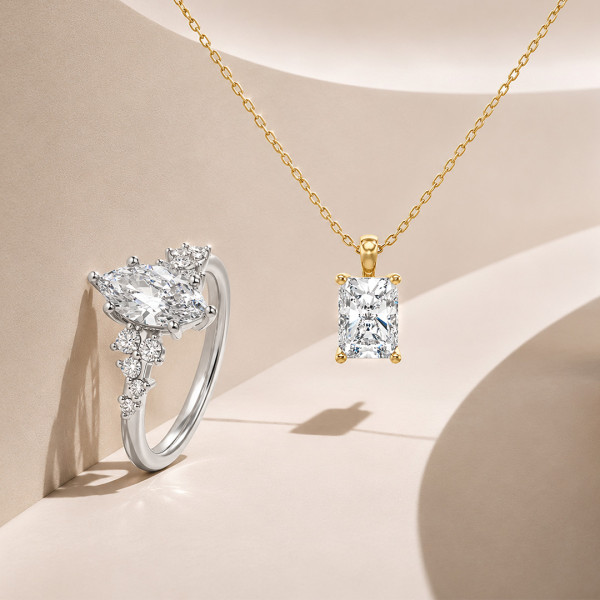
Gold jewelry comes in three distinct varieties: yellow gold, white gold, and rose gold. Each type begins with pure gold as a base but achieves its unique color through different metal alloys. Yellow gold, the traditional choice, combines pure gold with copper and zinc to create a warm, classic appearance while improving durability. White gold blends gold with palladium, silver, or zinc and typically features a rhodium coating for extra shine and protection. Rose gold gets its romantic pink hue from a mixture of gold, copper, and silver.
The quality of all gold jewelry is measured in karats, indicating the percentage of pure gold present. When choosing between these options, consider your skin tone, lifestyle needs, and budget, as each type offers different aesthetic and practical benefits.

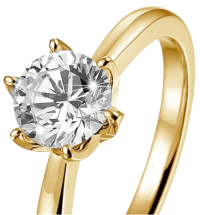
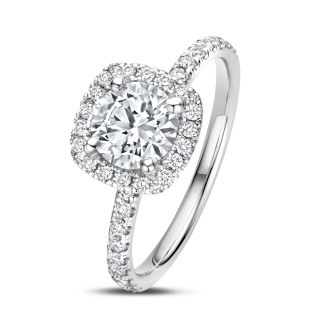
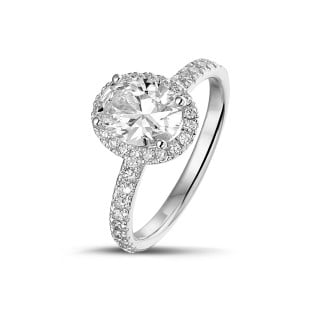
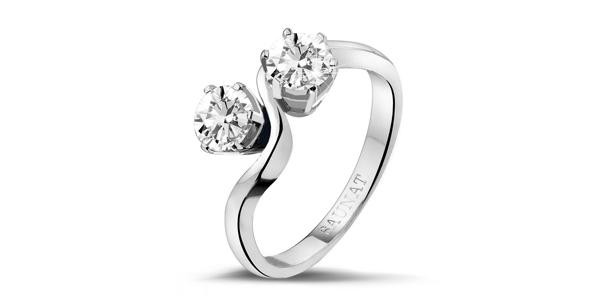
Are you planning to propose? Finding the right engagement ring is a defining step. Every ring is handcrafted in Antwerp from the finest materials by skilled artisans. Discover what engagement ring fits her personality.
Gold jewellery can be made in different ways that affect appearance, durability and price without changing the karat of the surface gold. Three common constructions are gold-plated, vermeil and gold‑filled. Knowing the difference helps you pick pieces for everyday wear or occasional use.
Standards and terminology vary by region. In the US, vermeil normally means gold plated over sterling silver with a plating thickness of 2.5 microns or more, and gold‑filled follows the 1/20th by weight rule. Other markets sometimes use these names more loosely, so hallmarks and material stamps are the most reliable indicators: look for marks such as "VERMEIL", "GF" or fractional markings like "1/20 14K" alongside karat stamps.
Durability expectations: Plated jewellery suits occasional wear; typical signs of wear are colour fading at contact points and exposure of the base metal. Vermeil lasts noticeably longer than thin plating and is a good option for regular wear if you avoid heavy abrasion. Gold‑filled is the most durable non-solid choice and often withstands daily wear for many years when cared for.
How to tell they are not solid gold: check for stamps and hallmarks, inspect edges and high-contact areas for colour change, and note weight - plated items are usually lighter than solid or gold‑filled pieces.
Karat composition expressed as a percentage makes it easier to compare gold grades and read small hallmarks on jewellery.
Fineness is often stamped as parts per thousand such as .375, .585, .750 or .999. A hallmark like "750" indicates 18K gold, while "585" indicates 14K. You may also see a karat stamp (e.g., "18K") or manufacturer marks. These stamps are the quickest way to verify gold content.
Knowing both the karat and the hallmark gives clear information on composition and expected behaviour, helping you choose the right balance of colour, durability and value.
Rhodium plating gives white gold its bright, reflective finish and helps mask any subtle yellow tint from the underlying alloy. With normal wear the rhodium layer may thin at high-contact points, which can make the piece look slightly warmer or show fine surface scratches. If the finish appears uneven or the metal shows a warmer hue in places, professional re‑plating will restore the bright white look. To reduce wear, avoid abrasive cleaners and remove white gold jewellery when doing rough manual tasks.
Vermeil and gold‑filled pieces require gentler treatment than solid gold. Typical wear patterns are gradual fading of the top gold layer on high-contact areas and loss of mirror finish on chains or rings that rub frequently. Simple care steps extend the life of these constructions: store jewellery in a soft pouch or separate compartment to avoid friction; remove pieces before swimming, showering or applying cosmetics and perfumes; clean gently with lukewarm water, mild soap and a soft cloth, then dry thoroughly.
If plated or vermeil pieces show significant colour loss, a jeweller can re‑plate or re‑finish them and restore the original look. Gold‑filled items, because of their thicker gold layer, often need less frequent work and can usually be repaired rather than replaced. For white gold with worn rhodium, professional re‑plating brings back colour and surface protection.
Do: store pieces separately, wipe after wear, remove jewellery before exposure to chemicals or abrasive activities.
Don't: use harsh polishing compounds on plated surfaces, sleep in delicate pieces that rub against fabric, assume all white jewellery is solid platinum without checking the hallmark.
These practical steps help keep different gold constructions looking their best while protecting the value of your jewellery.
Fabienne, manager of the German market is able to guide every client with finding the right jewel. She takes care of most of the German orders, but also takes other task on her plate. Thanks to her six years of experience at BAUNAT she acquainted well with the product and the marketing around it. Her degree in PR ensures that BAUNAT is well presented across all media channels. For anyone looking into a new investment opportunity, Fabienne is the perfect guide in this process. No question will be left unanswered, and she will help you every step of the way.
• Eternal Bloom bespoke engagement concept - Role: project lead for client briefing and prototype coordination. Fabienne translated personal design references into a 3D-printed prototype, supervised stone selection and ensured the finished piece matched the client’s vision and comfort preferences.
• Personalized anniversary necklace - Role: design coordinator and quality overseer. She managed the custom design process from the initial sketch to final polishing, liaising between client and workshop to preserve proportions and finish.
• Reimagined heirloom ring restoration and redesign - Role: client consultant and technical coordinator. Fabienne guided the client through options to modernize setting details while keeping sentimental elements, delivering a wearable result that respected the original piece.
Her hands-on involvement in bespoke commissions ensures each custom order has a clear brief, careful prototype review and close follow-up with the workshop, so clients receive a tailored jewel that meets both aesthetic and practical expectations.
For speaking engagements, press requests or research collaborations, please send your message to BAUNAT’s communications team with the subject line: "Fabienne Rauw - Professional Enquiry." Include a brief description of the request and any relevant dates or documents. The communications team will route enquiries to Fabienne and provide guidance on next steps.
Choosing a diamond ring is not an easy task. What factors do I have to take into account? Let the experts at BAUNAT guide you.
How do I choose the perfect metal for diamond jewellery? White gold or platinum? Find out more at BAUNAT.
Choosing a diamond ring is not an easy task. What factors do I have to take into account? Let the experts at BAUNAT guide you.
This Black Friday, elevate your diamond jewel with a complimentary upgrade in Colour, Clarity or Cut. Enjoy an exceptional diamond at no additional cost. Exclusive offer until 30 November 2026.


