







Features:
-
Category:
-
Posted at:
-
Author:
- Fabienne Rauw
-
BAUNAT Antwerp
-


-
Reading time:11 minutes
In this article:
Unveiling the Importance of Insurance for Your Gold Jewellery
At BAUNAT, we understand that every piece of jewellery is a mark of sentiments and a significant financial investment. Particularly when it concerns our high-quality natural diamonds, handcrafted jewellery from Antwerp and precious gold jewellery. Besides caring for them, it is crucial to protect these valuable assets, and a comprehensive jewellery insurance can offer this safeguard.
Read summary
Is Jewelry Insurance Worth It for Your Gold and Diamond Pieces?
Wondering if jewelry insurance is really necessary? It's not just for the ultra-wealthy with extensive collections. Anyone who owns valuable pieces—whether a £300 pair of earrings or investment-quality diamond jewelry—can benefit from proper insurance coverage.
Gold jewelry insurance protects against more than just theft. It covers unexpected scenarios like losing an earring while traveling or damaging a ring during daily activities. While insurance can't replace sentimental value, it provides financial reassurance when accidents happen.
Specialized jewelry policies offer comprehensive worldwide coverage with straightforward claims processes. When incidents occur, you typically have options for repair, replacement, or market value reimbursement, making it an affordable way to protect your precious investments.
At BAUNAT, we understand that our high-quality natural diamond and gold pieces represent both emotional and financial value worthy of protection.
Most viewed diamond jewels
-
![3.50 carat diamond tennis bracelet in white gold]() Bestseller3.50 carat diamond tennis bracelet in white goldFrom € 6.594,50 (incl. 21% VAT)
Bestseller3.50 carat diamond tennis bracelet in white goldFrom € 6.594,50 (incl. 21% VAT) -
![0.94 carat earrings in white gold with oval diamonds]() 0.94 carat earrings in white gold with oval diamondsFrom € 3.823,60 (incl. 21% VAT)
0.94 carat earrings in white gold with oval diamondsFrom € 3.823,60 (incl. 21% VAT) -
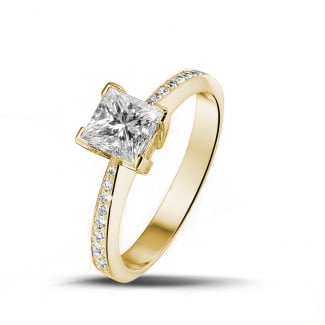
![1.00 carat solitaire ring in yellow gold with princess diamond and side diamonds]() Bestseller1.00 carat solitaire ring in yellow gold with princess diamond and side diamondsFrom € 3.908,30 (incl. 21% VAT)
Bestseller1.00 carat solitaire ring in yellow gold with princess diamond and side diamondsFrom € 3.908,30 (incl. 21% VAT) -
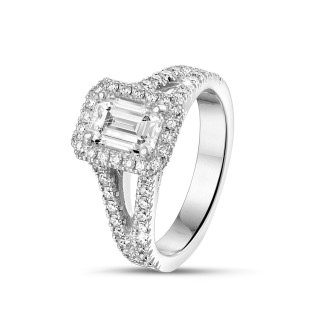
![1.00 carat solitaire ring in white gold with an emerald cut diamond and side diamonds]() Bestseller1.00 carat solitaire ring in white gold with an emerald cut diamond and side diamondsFrom € 7.126,90 (incl. 21% VAT)
Bestseller1.00 carat solitaire ring in white gold with an emerald cut diamond and side diamondsFrom € 7.126,90 (incl. 21% VAT) -
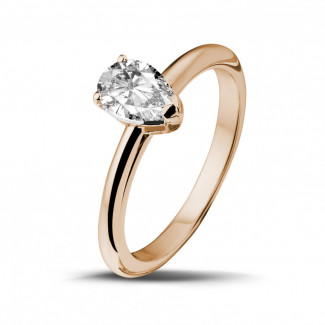
![1.00 carat solitaire ring in red gold with pear shaped diamond]() 1.00 carat solitaire ring in red gold with pear shaped diamondFrom € 4.416,50 (incl. 21% VAT)
1.00 carat solitaire ring in red gold with pear shaped diamondFrom € 4.416,50 (incl. 21% VAT)
Who Truly Benefits from Jewellery Insurance?
Contrary to common perception, jewellery insurance isn't just a luxury for the affluent with expensive jewellery collections. Its scope extends to anyone who owns valuables like gold jewellery and watches, irrespective of their price tags. Whether it's a £500 watch or a £300 pair of earrings, securing an insurance policy that covers potential damage, loss and theft is absolutely worthwhile.
Why Essential Insurance for Your Gold Jewellery?
Jewellery insurance, especially for your gold pieces, is advantageous for an array of reasons. Beyond theft, it encompasses situations like damage and loss. Imagine losing an earring or damaging your gold ring during physical activities - occurrences that aren't too uncommon. While it can't replace the sentimental loss, insurance provides financial reassurance in such dire circumstances.
Blanket vs Scheduled coverage, claims process and valuations
Blanket vs Scheduled coverage
Blanket coverage (sometimes called single limit cover) protects a total sum of jewellery owned by the policyholder up to an overall limit without listing individual items. This suits owners with many smaller pieces or those who add and remove items frequently. Scheduled coverage means individual items are declared and insured for agreed values, which is often preferable for a single high-value ring or solitaire diamond where full agreed-value settlement is important.
Pros and cons
- Blanket: flexible and typically easier to manage for multiple items, but it can be harder to demonstrate full value for one specific item if a single high-value loss occurs.
- Scheduled: provides certainty for individual pieces and can speed settlement for high-value claims, though it requires up-to-date valuations and formal schedule maintenance.
How to make a claim - step by step
1. Ensure safety and report urgent risks, for example to the police if a theft has occurred.
2. Notify your insurer as soon as possible with basic details of the loss or damage.
3. Gather supporting evidence: photographs of the item, purchase receipts or appraisal certificates, police report if applicable, and repair estimates if relevant.
4. Keep the damaged item for inspection unless advised otherwise by the insurer.
5. Provide any additional documentation requested promptly to avoid delays.
This checklist helps streamline the process and ensures your claim progresses efficiently.
Valuations and how often to re-appraise
Accurate valuations support both scheduled cover and smooth claims. Many insurers expect up-to-date paperwork for high-value items when a claim arises. If your collection has increased in value or you acquire a distinctive piece, updating the schedule and supporting valuation reduces the risk of underinsurance. When arranging cover, check with the insurer what documentation they accept as proof of value and whether they require a specific type of report or appraiser.
The Comprehensive Offerings of Insurance
Specialised jewellery insurance, like the one offered by our trusted insurance partner Driesassur, is designed by experts who understand your unique needs.
Covering customer items: Goods held in trust
Goods held in trust cover protects items that belong to customers but are temporarily in a jeweller’s care, for example for repair, valuation or consignment. This protection differs from your own stock insurance because the insured interest belongs to someone else while you are responsible for safekeeping.
Example scenarios and how claims work
- Repair: a customer leaves a bracelet for cleaning and the item is lost or damaged while at the workshop. A goods held in trust claim typically requires the jeweller to show custody, the item’s pre-existing condition where possible and the intake paperwork. The insurer will consider repair, replacement or market value depending on policy terms.
- Consignment: an estate item accepted for sale is stolen from storage. The policy will assess whether the theft occurred during a covered peril and apply any per-item or aggregate trust limits before settling.
- Valuation/loan: items taken to a third-party valuer or shown at an external event fall under transit or temporary trust cover if the policy includes those extensions.
Typical limits and common exclusions
Policies commonly set both per-item and aggregate trust limits. There may also be exclusions such as wear and tear, gradual deterioration, inherent vice or items without sufficient provenance. Some insurers impose lower sub-limits for goods held in trust than for owned stock, so assessing likely values and declared limits is important.
Documentation checklist and practical advice to avoid claim denials
Insurers routinely require clear records when a claim involves customer items. Keep the following for every entrusted piece:
- Intake form signed by the customer with a clear description of the item and any known defects.
- High-quality photographs taken at intake, showing identifiable marks.
- Proof of ownership or customer declaration if available.
- Repair orders, receipts and any correspondence regarding the item’s handling.
- Transit documentation when items move between premises or to third parties.
Practical steps to reduce risk include photographing items before work begins, using tracked couriers for transport, and ensuring staff handling customer property understand security protocols. When discussing cover with insurers, ask explicitly about goods held in trust limits and whether transit to valuers or exhibitions is included. BAUNAT recommends that shops and repair partners confirm these details so customers’ pieces are protected while under care.
These policies cover a multitude of scenarios and apply worldwide, offering you peace of mind regardless of where you are. Filing insurance claims are straightforward, with options for repair, replacement, or market value reimbursement, making it an affordable choice for insuring your gold jewellery.
Jeweller’s Block and insurance for jewellery shops
Running a jewellery business brings risks that differ from personal cover. Jeweller’s Block, often called All Risks for jewellers, is a commercial insurance tailored to trade exposures. It combines stock protection with trade-specific perils and extensions made for shops, repairers and traders who handle customer property.
What Jeweller’s Block / All-Risks covers
A typical Jeweller’s Block policy targets common business perils. Commonly covered events include:
- Theft and forced entry, including overnight theft from premises.
- Unexplained disappearance, when stock cannot be accounted for.
- Fire, explosion and smoke damage to premises and goods.
- Flood and water damage from burst pipes or storms.
- Transit risks during delivery, collection or movement between premises.
- Staff dishonesty and internal theft.
- Pound breach or safe/strongroom attacks where cash or goods are forcibly removed.
- Defective title, protecting you if a bought-in item later proves not to belong to the seller.
Each peril matters for retailers, estate buyers and repair partners. Estate buyers transporting many items, and repairers holding customer pieces, face higher transit and goods-in-trust exposures than a typical retail boutique.
Common business policy types explained
Jeweller’s Block is often combined with other business covers. Short definitions and examples:
- Public liability: protects against claims from third parties who suffer injury or property damage on your premises. Example: a customer slips in your showroom.
- Employer’s liability: covers legal costs and awards when an employee is injured at work. Example: a bench jeweller suffers a burn during soldering.
- Product liability: covers faults in goods you sell that cause damage or injury after sale. Example: a clasp fails and causes a personal injury.
- Business interruption / loss of profits: compensates for lost income if premises are unusable after an insured event, such as a fire.
- Goods held in trust: protects items owned by customers while they are in your care for repair, valuation or consignment.
- Stock/contents cover: insures the business’s own inventory, display cases and fixtures against insured perils.
Consider which covers fit the way you trade. A small repair specialist will prioritise goods held in trust and transit cover, while a large retailer will focus on stock limits and business interruption protection.
Practical scenarios: repairs and consignment
Scenario 1, repair: a customer leaves an heirloom ring for resizing. If the piece is lost or damaged in your care, goods held in trust cover will determine whether the insurer pays for repair, replacement or market value. Proper intake documentation helps a claim proceed smoothly.
Scenario 2, consignment: you accept estate pieces for sale on consignment. If items are stolen during storage or transit to an exhibition, transit cover and stock protection under Jeweller’s Block are the relevant sections of the policy, subject to declared values and any transit endorsements.
Typical limits, clauses and questions to ask insurers
Policies often include limits and sub-limits that affect cover. Useful points to check with an insurer or broker:
- Staff theft sub-limits: is dishonesty subject to a lower cap than general theft?
- Transit cover: does cover apply for insured routes, overnight stays and courier carriage?
- Basis of settlement: are items paid at replacement cost, agreed value, or market value?
- Goods held in trust limits: what maximum per-item and aggregate limits apply for customer property?
- Safe and alarm conditions: are there security requirements that affect cover, such as a rated safe or monitored alarm?
- Excluded perils or geographical limitations: are claims covered worldwide or limited when items travel abroad?
Ask for sample wording and a written schedule showing any sub-limits. For estate buyers and repair partners, declare transient risks so transit and goods-in-trust exposures are not inadvertently excluded.
How this ties back to BAUNAT customers
Whether you run a boutique, buy estates or offer repair services, specialist Jeweller’s Block covers trade risks that personal policies do not. BAUNAT can help you assess which combinations of stock, transit and goods-in-trust protection suit your operation and request a tailored commercial quote on your behalf. Discussing the nature of your trading, typical stock values and transit patterns ensures any recommended policy reflects the realities of your business.
Invest in Unparalleled Quality with BAUNAT
If you're inquisitive about investing in some high-end diamond jewellery or wish to add unique, precious pieces to your collection, reach out to us at BAUNAT. With our personalised service, we take pride in helping you unveil natural beauty with our exquisite range of diamond and gold jewellery.
-
Fabienne Rauw
-
BAUNAT Antwerp
-
-
Fabienne, manager of the German market is able to guide every client with finding the right jewel. She takes care of most of the German orders, but also takes other task on her plate. Thanks to her six years of experience at BAUNAT she acquainted well with the product and the marketing around it. Her degree in PR ensures that BAUNAT is well presented across all media channels. For anyone looking into a new investment opportunity, Fabienne is the perfect guide in this process. No question will be left unanswered, and she will help you every step of the way.
Fabienne, manager of the German market is able to guide every client with finding the right jewel. She takes care of most of the German orders, but also takes other task on her plate. Thanks to her six years of experience at BAUNAT she acquainted well with the product and the marketing around it. Her degree in PR ensures that BAUNAT is well presented across all media channels. For anyone looking into a new investment opportunity, Fabienne is the perfect guide in this process. No question will be left unanswered, and she will help you every step of the way.