



Features:

Share on:

What's the difference between a diamond and a brilliant?

Are you considering purchasing a classic cut diamond? If so, you’re likely exploring various diamond shapes, including the renowned brilliant cut.

The term "brilliant" specifically refers to one of the most popular diamond cuts, characterised by its remarkable sparkle. A rough diamond is meticulously shaped during the cutting process, and the brilliant cut is just one of those options. It’s after this transformation that a diamond truly reveals its unique brilliance, with the brilliant cut typically featuring 58 facets, giving it that signature shine.

While the terms "diamond" and "brilliant" are often used interchangeably in discussions about diamond jewellery, it’s important to understand the distinction. In this article, we’ll clarify the differences between a diamond and a brilliant cut, helping you make an informed choice for your next purchase.

Read summary

A diamond is the raw gemstone, and a brilliant cut is a specific way of cutting the diamond to maximise its sparkle. This popular cut features 58 facets strategically placed to reflect light optimally. The brilliant cut is renowned for its brilliance and is a favourite for engagement rings and other fine jewellery, offering an unmatched sparkle compared to other cuts.
 

What is a brilliant cut diamond?

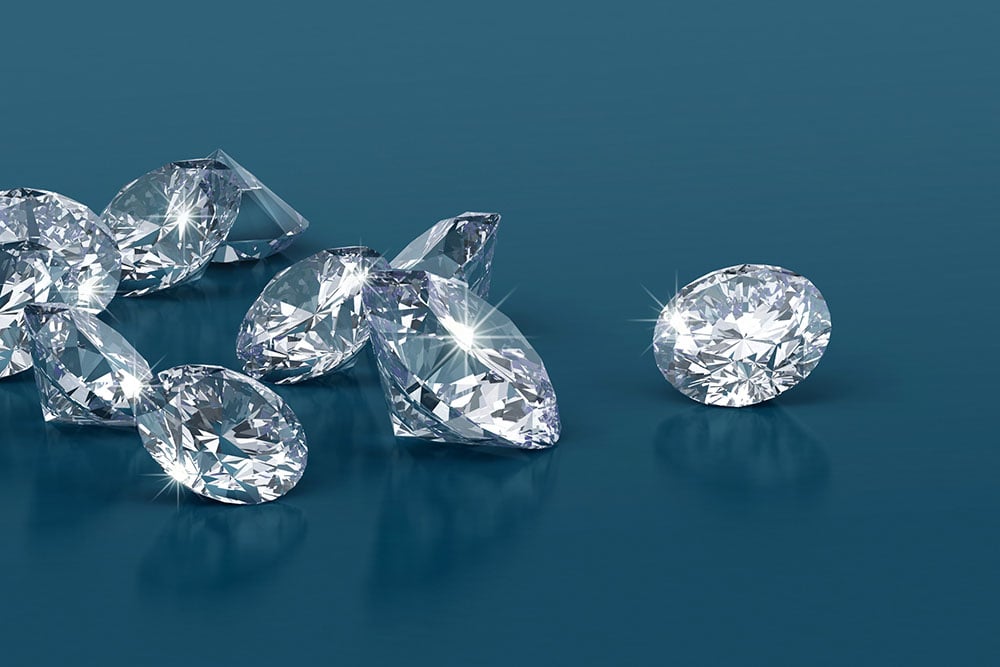
Brilliant inspected with tweezers – BAUNAT
The difference between a diamond and a brilliant lies in the cut. A diamond can be described as the rough gemstone which is naturally uneven and matte. A brilliant, on the other hand, refers to the most occurring diamond cut, and you can easily recognize it by the round shape.

A brilliant has 58 facets placed in a specific way to reflect the invading light. This creates unparalleled brilliance and a deep lustre. That's why the brilliant is one of the most loved diamond cuts for engagement rings, but necklaces and earrings with brilliants are also real classics that bestow every woman with a sparkling allure.

What makes the brilliant cut so unique

 woman's hand holding a brilliant cut engagement ring in front of a white ring box
The cut with the most sparkle, is the brilliant. That's why it is one of the most popular cuts for engagement rings. A brilliant cut is distinguished by its round shape and optimal reflection of the incoming light, resulting in a brilliant colour display. This cut is also the favourite choice for rings with a claw setting or a cathedral setting.

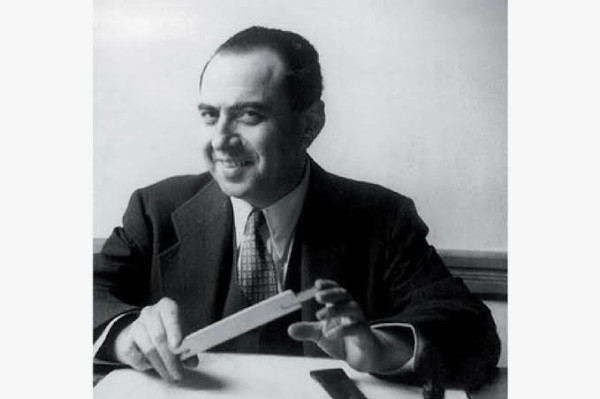
A brilliant is sometimes also called a 'Tolkowsky cut', referring to the Antwerp diamond cutter Marcel Tolkowsky. In 1919, he devised a mathematical method for cutting round diamonds with 58 facets, thus developing the round diamond shape as we know it today.
the famous antwerp diamond cutter Marcel Tolkowsky, after whom the tolkowsky diamond cut is named
A brilliant diamond, often referred to as a 'Tolkowsky cut,' is named after the Antwerp diamond cutter Marcel Tolkowsky, who is credited with the modern brilliant cut. In 1910, Tolkowsky established clear rules for this cut, which was further refined seven years later when he calculated the ideal angles for the facets. The ideal brilliant cut features 57 facets: one main upper facet to initiate the cut, 32 upper facets, and 24 lower facets. This precise arrangement allows light to pass through the diamond, reflecting it in the best possible colour spectrum and maximising intensity, thus creating the dazzling brilliance we admire today.
At BAUNAT, we aim for nothing less than extraordinary diamond cuts, ensuring that each piece embodies the brilliance of life itself. Our collection includes:


Each piece is meticulously designed to capture the essence of elegance and sophistication.

Old European Cut vs. Modern Round Brilliant Cut

The European cut closely resembles the brilliant cut and is often seen as its predecessor, gaining popularity in the late 1800s. Both cuts are round and feature 57 to 58 facets, but their shape and facet placement differ.

The old European cut showcases a smaller table and larger facets, featuring a higher crown, lower symmetry, and less brilliance than the round brilliant cut. While the brilliant cut is designed to reflect light, the European cut absorbs it. Diamonds with the old European cut have a steeper crown angle and a deeper pavilion, in contrast to the shallower, more precisely measured round brilliant cuts that prioritise maximising light reflection and refraction.

Old European cut diamonds were crafted during a time when diamond cutting relied heavily on the skill of artisans. Edges and facets were shaped by eye, resulting in unique variations. Craftsmen used candlelight to view the stones, influencing the cut to enhance sparkle in low light, leading to deeper pavilions and a warmer, softer glow compared to modern cuts.

The value of a brilliant vs. a diamond

The difference between a diamond and a brilliant is based on the processing method of the rough diamond. But is there a difference in value? Or in other words, which is more expensive, a diamond or a brilliant? The answer to this is as versatile as the brilliant itself. First of all, the value of a diamond is determined by the 4 Cs:

  • Carat – The weight of the diamond determines the number of carats. A diamond with a higher carat will therefore be a larger diamond.

  • Colour – The value of colourless diamonds is estimated based on a gradation that starts from completely colourless to yellowish tones. The highest grade is given to the most colourless and purest diamonds. Naturally coloured diamonds are also divided on the basis of colour intensity. Original coloured diamonds are also very rare, and lend themselves perfectly to an investment.

  • Clarity – Clarity is also an important factor in determining the value of your diamond. Impurities or flecks on the diamond are not visible to the naked eye. A professional uses a specific loupe to establish this.

  • Cut – The cut is the most decisive factor of the 4 Cs. The cutting method is for instance assessed on the proportions, the finish and the symmetry. It's not the shape of the diamond, but the placement of the facets that has an influence on the value.


The value of the brilliant also depends on the international diamond price and the way the brilliant is incorporated in the jewel. The cost of forging and the setting of the diamond also plays a role.

Finally, it is also important that you purchase the diamond from a party that purchases directly from the source, such as BAUNAT. Thus, you will not pay too much for the diamond, and you will buy at the price that reflects the intrinsic value of the stone.

The main reason to opt for a brilliant

Its exceptional sparkle and brilliance. The round brilliant cut, is designed to maximise the reflection of light, creating unmatched fire and scintillation. This cut features numerous facets (typically 58) that are strategically positioned to enhance the diamond's brightness, ensuring it sparkles intensely from every angle. Additionally, the brilliant cut is a versatile and timeless choice that complements various settings and styles, making it a the favourite choice for engagement rings and other fine jewellery.

Brilliant cut engagement rings


Choosing the perfect engagement ring is a monumental decision, one that should reflect the unique bond between two people. The brilliant cut engagement ring stands out for its radiant sparkle and timeless elegance, making it a favourite for couples around the world. In the following section, we will explore various styles and settings available at BAUNAT, helping you make an informed decision for that once-in-a-lifetime purchase.

Examples of brilliant cut engagement rings at BAUNAT


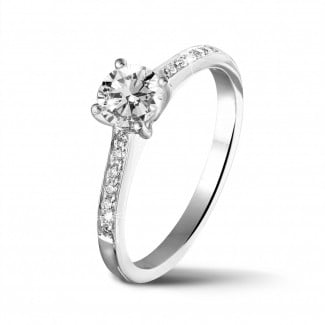
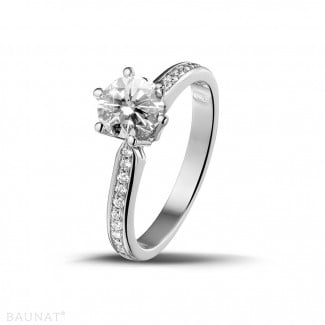
Many couples opt for brilliant cut diamonds for their engagement rings due to their timeless appeal and brilliant sparkle. Whether set in a simple solitaire or surrounded by a halo of smaller diamonds, brilliant cut diamonds never fail to impress. At BAUNAT, you will find a wide range of brilliant cut engagement rings that cater to different tastes and preferences, ensuring you find the perfect ring to symbolise your love.

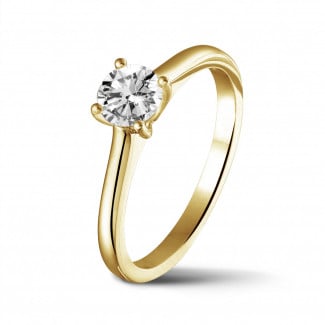
  • Classic solitaire brilliant cut engagement ring: this timeless design features a single brilliant cut diamond set in a simple yet elegant claw setting, allowing the diamond's natural brilliance to take centre stage

  • Halo brilliant cut engagement ring: a stunning brilliant cut diamond is encircled by a halo of smaller diamonds, enhancing its sparkle and creating a dazzling effect that catches the eye from every angle.


Three-stone brilliant cut engagement ring: this sophisticated ring showcases a central brilliant cut diamond flanked by two smaller brilliant cut diamonds on each side, symbolising the past, present, and future of your love story.

Other famous cuts

A brilliant sparkles most of all. There is no doubt about that. But other cuts also have unique properties that are well worth exploring. For example, the marquise diamond cut makes your diamond appear larger, optically. Another popular cut is the radiant cut, a cut with 70 facets that bears strong similarities with the princess cut. A princess cut diamond has 76 facets and a beautiful square shape, and besides the brilliant, the cut is most often used in engagement rings. Curious about other cuts for engagement rings? Discover them below:

What is the cushion cut diamond and why would you choose it?

The attraction of the heart-shaped diamond

The meaning of the cabochon diamond

What is the pear-shaped diamond, and why would you choose this unique shape?

Frequently asked Questions

Diamond

A crystal made up of 99.95% pure carbon atoms arranged in an isometric, or cubic, crystal arrangement. It is this unique arrangement of the carbon atoms that makes diamond look and behave differently from other pure carbon minerals such as graphite (the soft black material used to make pencils). There is no material harder than diamond. This means that it can only be scratched with another diamond. For as far as we know diamond is the hardest mineral found in nature and that is why it gets the maximum rating of 10 on Mohs scale of mineral hardness.

What is a brilliant?

Brilliant refers to the diamond’s cut. This round diamond shines the brightest of all cuts and has 57 facets. The brilliant is by far the most popular shape for golden engagement rings. BAUNAT offers this shape as standard.

Learn more about the brilliant or instantly choose the right diamond shape from BAUNAT.

What is the difference between a diamond and a brilliant?

  • What are brilliant jewels and what does the term ‘brilliant’ mean?
  • How does it influence the quality of my diamond?
  • Why should I buy a brilliant and not another diamond cut?

‘Brilliant’ and ‘diamond’ are often used interchangeably. They are, however, not synonyms. ‘Diamond’ is the name of the precious stone itself, whereas ‘brilliant’ denotes the cut of a diamond. But why are they so often confused? And why should I buy a brilliant instead of another diamond cut?

Find your ideal brilliant ring now in our extensive collection.


What does the term ‘brilliant’ mean?

The term ‘brilliant’ is in fact an abbreviation of ‘brilliant cut’; a method of cutting a diamond that optimizes its appearance as well as the way it reflects light. ‘Cut’ can refer both to the shape and the cut quality of a diamond. The latter is one of the 4 C’s, designed to describe the quality of diamonds. A well cut diamond has a higher reflection. A brilliant cut diamond, with the ideal number of 57 facets, therefore has a more intense brilliance and a higher appeal.

Of all diamond shapes, the brilliant cut shines the brightest. This is why this diamond shape is highly sought after for engagement rings, a classic white gold ring with a brilliant or delicate brilliant earrings.
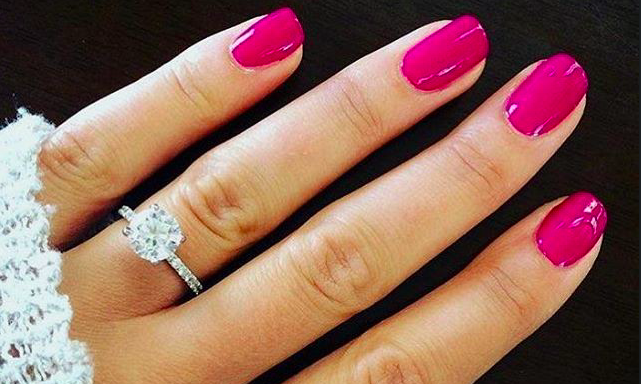
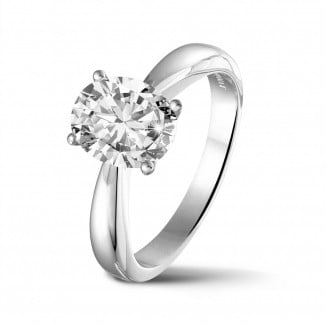
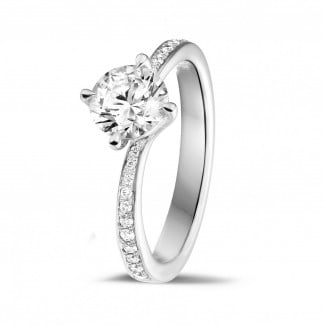
View this 2.00 ct. brilliant ring here or by clicking on the image.

How does it influence the quality of my diamond?

The cut quality of a diamond refers to its proportions, its symmetry and its polish and is therefore one of the most important characteristics of a diamond. If its depth is too deep or too shallow, the light that enters the diamond through its crown will escape instead of being reflected.

Diamond shapes other than the standard round cut are called ‘fancy shapes’. The most well-known shapes are the marquise, the pear, the oval, the heart and the emerald.
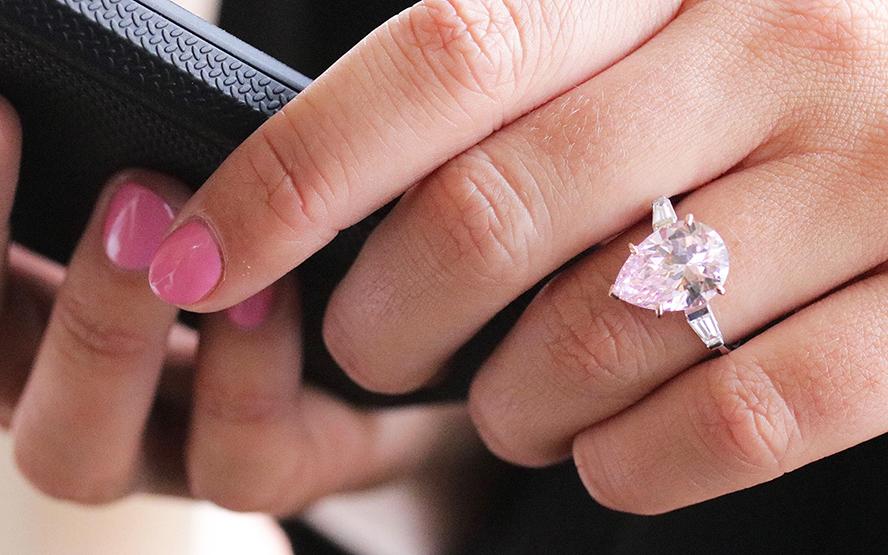
Ring with pink pear shaped diamond by BAUNAT

View an even more exclusive ring with pink pear shaped diamond here or by clicking on the image.

Why should I buy a brilliant and not another diamond cut?

If a brilliant has the most beautiful luster, why would I buy any other diamond shape? Every diamond cut has its own unique characteristics. A marquise cut, for example, is one of 6 ways to make your diamond appear larger. After all, larger diamonds come with a higher price tag. Others opt for a fancy cut instead of the classic brilliant because it adds a more original and personal touch to their ring.

Brilliant can now come out in a more original way than it used to be by e.g. an uncommon setting. The wedding ring with a brilliant is up and coming, while the classic choice would be a smooth wedding ring.

How can I combine different diamond cuts in one jewel? Where can I have my jewel custom-made? Contact the diamond experts from BAUNAT for all diamond or jewellery related questions you might have.

  • Fabienne Rauw

  • BAUNAT Antwerp
  • Fabienne, manager of the German market is able to guide every client with finding the right jewel. She takes care of most of the German orders, but also takes other task on her plate. Thanks to her six  years of experience at BAUNAT she acquainted well with the product and the marketing around it. Her degree in PR ensures that BAUNAT is well presented across all media channels. For anyone looking into a new investment opportunity, Fabienne is the perfect guide in this process. No question will be left unanswered, and she will help you every step of the way.

Fabienne, manager of the German market is able to guide every client with finding the right jewel. She takes care of most of the German orders, but also takes other task on her plate. Thanks to her six  years of experience at BAUNAT she acquainted well with the product and the marketing around it. Her degree in PR ensures that BAUNAT is well presented across all media channels. For anyone looking into a new investment opportunity, Fabienne is the perfect guide in this process. No question will be left unanswered, and she will help you every step of the way.