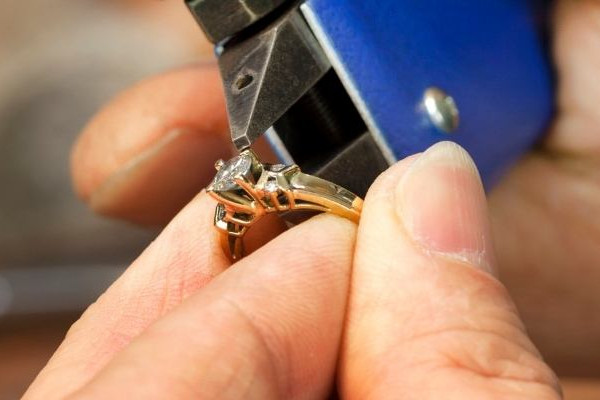








A Comprehensive Guide to Buying Real Diamonds
Are you in possession of diamond jewellery with a rich, generational backstory? Ever wondered, "How do I know for sure that I am buying real diamonds?" If your diamond's authenticity leaves you in a quandary, allow Industry Expert BAUNAT, to guide you through the process of distinguishing a real diamond from a counterfeit one. Should you discover your diamond is imitation, fear not. Usher in a new era of precious family heirlooms with BAUNAT's selection of top-tier diamonds, embodying the best of diamond prices evolution.
Read summary
How can you be confident you're buying a genuine diamond rather than a counterfeit?
While many people rely on traditional methods like the mirror test to verify diamond authenticity, these approaches can be unreliable and potentially damaging to the stone. Instead, several more accurate methods can help confirm a diamond's authenticity. The breath test is one reliable option - genuine diamonds dissipate condensation almost immediately. UV light testing is another effective method, as most authentic diamonds emit a blue glow under ultraviolet light. Professional examination under magnification can reveal natural inclusions and patterns that are nearly impossible to replicate in synthetic stones. Interestingly, weight comparison isn't a reliable indicator, as common imitations like cubic zirconia are actually heavier than genuine diamonds. For absolute certainty, consulting diamond experts like BAUNAT ensures you're investing in authentic, high-quality diamonds backed by professional expertise and certification.
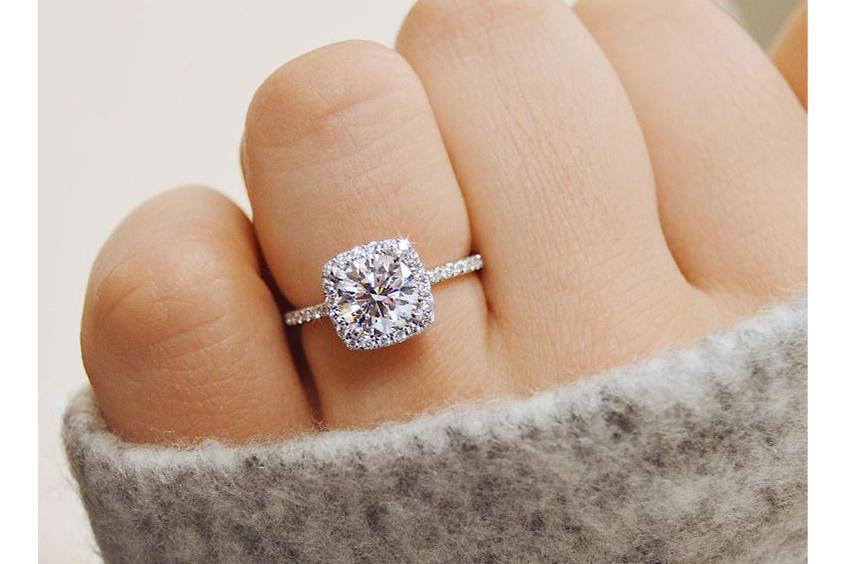
Most viewed diamond jewels
-
![1.00 carat solitaire cluster ring in white gold with marquise diamond]() BestsellerNew1.00 carat solitaire cluster ring in white gold with marquise diamondFrom € 4.622,20 (incl. 21% VAT)
BestsellerNew1.00 carat solitaire cluster ring in white gold with marquise diamondFrom € 4.622,20 (incl. 21% VAT) -
![0.95 carat diamond rose design ring in white gold]() NewPrincess Delphine0.95 carat diamond rose design ring in white goldFrom € 16.831,10 (incl. 21% VAT)
NewPrincess Delphine0.95 carat diamond rose design ring in white goldFrom € 16.831,10 (incl. 21% VAT) -
![1.00 carat solitaire ring with an asscher cut diamond in white gold]() Bestseller1.00 carat solitaire ring with an asscher cut diamond in white goldFrom € 4.936,80 (incl. 21% VAT)
Bestseller1.00 carat solitaire ring with an asscher cut diamond in white goldFrom € 4.936,80 (incl. 21% VAT) -
![1.00 carat solitaire ring with a cushion diamond and hidden halo in white gold]() BestsellerNew1.00 carat solitaire ring with a cushion diamond and hidden halo in white goldFrom € 4.210,80 (incl. 21% VAT)
BestsellerNew1.00 carat solitaire ring with a cushion diamond and hidden halo in white goldFrom € 4.210,80 (incl. 21% VAT) -
![0.15 carat solitaire ring with a oval cut diamond in white gold]() New0.15 carat solitaire ring with a oval cut diamond in white goldFrom € 2.323,20 (incl. 21% VAT)
New0.15 carat solitaire ring with a oval cut diamond in white goldFrom € 2.323,20 (incl. 21% VAT)


The well-known mirror test is often employed to check diamond authenticity. As experts in the diamond market, we advise against this, as it's not the most reliable method. Impressively, even a counterfeit diamond can leave a scratch on a mirror. Moreover, you don't want to invest in a high-quality piece from BAUNAT and risk damaging it. Diamonds are resilient, but not immune to scratches that could compromise their brilliance.
So, what's a better way to authenticate your diamond?
Try the breath test instead. Genuine diamonds have a unique quality: condensation on their surface evaporates almost instantly. However, if your diamond jewel is covered with an oily layer, this test might not provide absolute certainty.
Contrary to popular belief, a diamond's weight isn't a conclusive indication of its authenticity. Cubic zirconia, the most common diamond imitation, is considerably heavier than the real thing.
Keen on examining your diamond closer? Equipped with a magnifying glass designed for observing diamonds, you can inspect your diamond's top. If it's evenly balanced and congruent, congratulations on owning a genuine diamond! A microscope could also help you detect any tiny irregularities or black spots, or 'inclusions'. Since these are nearly impossible to replicate, they serve as great authenticity indicators.
Another way to identify authentic diamonds is their reaction to UV light. Most diamonds reflect a blue hue when exposed to UV light. If your diamond radiates blue, it's an authentic gemstone!
Still unsure about your diamond's authenticity even after all these tests? Where can you shop with the assurance of buying real diamonds? Reach out to BAUNAT's diamond experts. Combining their profound market knowledge with a commitment to personalized service, they'll guide you through your diamond journey without any obligation to purchase.
Practical At‑Home Tests: Step‑by‑Step
Dot / Newspaper (Refractivity) Test - What you need and how to do it
Materials: a piece of newspaper or any page with small printed text or a distinct dot, good daylight or a lamp, a clean flat surface.
Method: place the loose stone flat, table facet down, over a single small dot or a line of text. Kneel or bend so you view the stone from directly above, with your eye as close to perpendicular to the stone as comfortable. If you see the dot or the letters clearly through the stone, the stone is likely a simulant. A real diamond bends light strongly; you should not be able to read the text through it, and the dot will appear distorted or disappear.
What it tells you: this simple refractivity check distinguishes many simulants, which allow light to pass straight through and make underlying text readable.
When it's unreliable: mounted stones set in metal, stones with heavy surface dirt or oils, and very small melee diamonds can give misleading results. Never pry a stone from its setting just to run this test.
Safety / caution: avoid forcing or levering the jewellery; perform the test only on loose stones or pieces you can safely handle without risking the setting.
Flashlight / Reflectivity Test - Observe brilliance versus fire
Materials: a small flashlight or phone torch, white paper background, natural daylight if possible.
Method: hold the stone about 10–20 centimetres above the white paper. Shine the torch directly into the stone from above, then tilt the stone slowly while watching internal reflections. A real diamond shows strong white flashes of light, called brilliance, mixed with small, sharp flashes of colourful light, called fire. Simulants often show excessive rainbow flashes across the whole stone rather than concentrated white brilliance. Also try this in bright sunlight. Real diamonds will show intense white sparkle when the light source is direct. Simulants and glass tend to show broader, more colourful dispersion.
What it tells you: helps you distinguish correct light performance - diamonds prioritise white brilliance over broad rainbow dispersion.
When it's unreliable: certain well-cut simulants or coloured gemstones can mimic fire; lighting conditions and very small stones make observations harder.
Safety / caution: do not shine bright lights into anyone's eyes; secure the piece so it cannot drop during inspection.
Water Test - Simple density check
Materials: a clear glass or cup, room-temperature water, tweezers or a thin holder to drop the stone safely.
Method: fill the glass with water and gently drop the loose stone in. A real diamond, being dense, will usually sink to the bottom; many common simulants float or sink more slowly.
What it tells you: a quick density indicator that can separate some fakes from real diamonds.
When it's unreliable: many simulants can be made with densities close to diamond, and small diamonds or stones caught in settings may trap air and behave unpredictably. Do not use this test on mounted jewellery unless you are certain the setting is waterproof.
Safety / caution: only test loose stones, or ensure settings are watertight. Do not risk water damage to any piece with glued stones or vulnerable mountings.
Fog / Breath Test - precise technique
Materials: nothing more than your own breath and a quiet surface.
Method: hold the stone a few centimetres from your mouth and exhale a short, steady breath directly onto the top surface. Time how long the fog or condensation remains. On a genuine diamond, the fog should dissipate almost immediately, typically within one to two seconds. If the fog lingers several seconds, the stone is more likely a simulant.
What it tells you: diamonds conduct heat away from the surface quickly, so moisture from breath clears faster than on many imitations.
When it's unreliable: heavy surface oils, residue, coatings or certain treatments can change how long fog persists. Also, this is less reliable in very humid or cold environments.
Safety / caution: avoid touching the stone with fingers after fogging; oils from skin can alter later tests.
Quick checklist - combining simple tests
- Increase confidence: run at least two different tests (for example, refractivity + flashlight). If both indicate authenticity, confidence improves but is not conclusive.
- Low confidence if only one quick test passes, or if tests contradict each other.
- Always stop and seek professional verification for mounted, expensive, or sentimental pieces rather than attempting risky manipulations.
These at‑home checks are practical first steps to separate obvious simulants from likely real diamonds. When in doubt, professional testing provides the definitive answer.
When to Seek Professional Testing and What Reports Mean
If at‑home checks leave any doubt, a professional assessment is the next step. Independent testing uses dedicated tools and accredited labs that can definitively separate natural diamonds from simulants and detect certain treatments.
Common professional tools and what they do:
Thermal conductivity testers: these handheld devices measure how quickly a stone conducts heat. They reliably distinguish many common simulants from diamonds, because diamond conducts heat unusually well. However, some simulants and certain treated stones can give results that confuse a thermal tester, so this test is not infallible.
Electrical and spectroscopic methods: labs use instruments that analyse how a stone interacts with light and electricity. These methods can detect synthetic diamonds, certain treatments, and more sophisticated simulants that fool simpler testers.
What a reputable lab report shows
A typical independent certificate will state objective identifying information about the stone, such as carat weight, measurements, shape, and a laboratory identification number. For authentication purposes, the key value is that a recognised issuer confirms whether the stone is a natural diamond, a laboratory-grown diamond, or a simulant, and will note detectable treatments.
Limitations and realistic expectations
No single tool catches every possibility. Thermal testers are useful for a first professional check but can be fooled by advanced simulants or by mounted stones. Full laboratory analysis is the reliable route if a definitive answer matters, for example with high‑value or heirloom pieces.
Check the issuing laboratory's name and the certificate or report number. Reputable labs maintain online verification tools where you can input the certificate number to confirm details. If any part of the report seems unclear, ask the testing provider to explain the findings in plain terms before you rely on them.
When to choose professional testing
Opt for professional testing when at‑home tests are inconclusive, when the piece is valuable or sentimental, or before any sale or insurance valuation. Professional verification removes doubt and creates a document trail that supports resale, insurance or estate planning decisions.
How BAUNAT Helps You Verify & Buy with Confidence
BAUNAT supports every client who wants certainty about a diamond's authenticity. Our diamond experts are available for personalised consultations, whether you prefer a virtual appointment or a visit to one of our showrooms to inspect pieces in person. During these consultations we can discuss stone characteristics, and advise on the appropriate next steps for independent testing when needed.
Orders from BAUNAT also benefit from secure, insured delivery and a clear returns process, so purchases are protected from checkout through receipt. If you would like a lab certificate, our team can facilitate the exchange of documentation and help you interpret the results.
For anyone buying an heirloom or high‑value piece, choosing a trusted dealer and keeping verifiable paperwork provides long‑term peace of mind.
-
Fabienne Rauw
-
BAUNAT Antwerp
-


-
Fabienne, manager of the German market is able to guide every client with finding the right jewel. She takes care of most of the German orders, but also takes other task on her plate. Thanks to her six years of experience at BAUNAT she acquainted well with the product and the marketing around it. Her degree in PR ensures that BAUNAT is well presented across all media channels. For anyone looking into a new investment opportunity, Fabienne is the perfect guide in this process. No question will be left unanswered, and she will help you every step of the way.
Selected Bespoke Projects
• Eternal Bloom bespoke engagement concept - Role: project lead for client briefing and prototype coordination. Fabienne translated personal design references into a 3D-printed prototype, supervised stone selection and ensured the finished piece matched the client’s vision and comfort preferences.
• Personalized anniversary necklace - Role: design coordinator and quality overseer. She managed the custom design process from the initial sketch to final polishing, liaising between client and workshop to preserve proportions and finish.
• Reimagined heirloom ring restoration and redesign - Role: client consultant and technical coordinator. Fabienne guided the client through options to modernize setting details while keeping sentimental elements, delivering a wearable result that respected the original piece.
Her hands-on involvement in bespoke commissions ensures each custom order has a clear brief, careful prototype review and close follow-up with the workshop, so clients receive a tailored jewel that meets both aesthetic and practical expectations.
Professional enquiries
For speaking engagements, press requests or research collaborations, please send your message to BAUNAT’s communications team with the subject line: "Fabienne Rauw - Professional Enquiry." Include a brief description of the request and any relevant dates or documents. The communications team will route enquiries to Fabienne and provide guidance on next steps.
Fabienne, manager of the German market is able to guide every client with finding the right jewel. She takes care of most of the German orders, but also takes other task on her plate. Thanks to her six years of experience at BAUNAT she acquainted well with the product and the marketing around it. Her degree in PR ensures that BAUNAT is well presented across all media channels. For anyone looking into a new investment opportunity, Fabienne is the perfect guide in this process. No question will be left unanswered, and she will help you every step of the way.
Selected Bespoke Projects
• Eternal Bloom bespoke engagement concept - Role: project lead for client briefing and prototype coordination. Fabienne translated personal design references into a 3D-printed prototype, supervised stone selection and ensured the finished piece matched the client’s vision and comfort preferences.
• Personalized anniversary necklace - Role: design coordinator and quality overseer. She managed the custom design process from the initial sketch to final polishing, liaising between client and workshop to preserve proportions and finish.
• Reimagined heirloom ring restoration and redesign - Role: client consultant and technical coordinator. Fabienne guided the client through options to modernize setting details while keeping sentimental elements, delivering a wearable result that respected the original piece.
Her hands-on involvement in bespoke commissions ensures each custom order has a clear brief, careful prototype review and close follow-up with the workshop, so clients receive a tailored jewel that meets both aesthetic and practical expectations.
Professional enquiries
For speaking engagements, press requests or research collaborations, please send your message to BAUNAT’s communications team with the subject line: "Fabienne Rauw - Professional Enquiry." Include a brief description of the request and any relevant dates or documents. The communications team will route enquiries to Fabienne and provide guidance on next steps.