







Features:
-
Category:
-
Posted at:
-
Author:
- Fabienne Rauw
-
BAUNAT Antwerp
-


-
Reading time:13 minutes
In this article:
Where can I safely invest in platinum and diamonds?
Keeping a gold nugget has been known to be a wise investment for years, if you are interested in expanding your portfolio with raw materials. However, it’s often forgotten that this is not the only intrinsically valuable investment. Why should I invest in platinum? When should I be buying diamonds?
Read summary
How can you make smart investments in platinum and diamonds?
Platinum and diamonds offer compelling alternatives to traditional gold investments, with unique advantages. Platinum stands out due to its rarity and versatility, being in high demand across jewelry, industrial, and medical sectors. Its durability makes it particularly attractive for jewelry, requiring less maintenance than gold while maintaining prestigious appeal.
Investors can choose between platinum bars for pure material value, coins for flexibility in buying and selling, or jewelry for combining investment with personal enjoyment. Platinum jewelry paired with diamonds creates timeless pieces that offer both financial and sentimental value over time.
Diamonds remain a premier investment choice, especially when seeking both financial and emotional returns. The Kimberley Process ensures ethical sourcing, while working with reputable dealers like BAUNAT provides security in these valuable investments. Whether choosing platinum bars, coins, or diamond jewelry, these precious materials offer sophisticated ways to diversify investment portfolios while maintaining lasting value.

Most viewed diamond jewels
-
![1.00 carat solitaire stackable ring in platinum with a round diamond with marquise design]() 1.00 carat solitaire stackable ring in platinum with a round diamond with marquise designFrom USD 4.320,00 (excl. VAT)
1.00 carat solitaire stackable ring in platinum with a round diamond with marquise designFrom USD 4.320,00 (excl. VAT) -
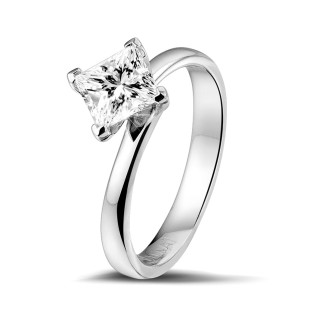
![1.00 carat solitaire ring in platinum with princess diamond]() Bestseller1.00 carat solitaire ring in platinum with princess diamondFrom USD 3.260,00 (excl. VAT)
Bestseller1.00 carat solitaire ring in platinum with princess diamondFrom USD 3.260,00 (excl. VAT) -
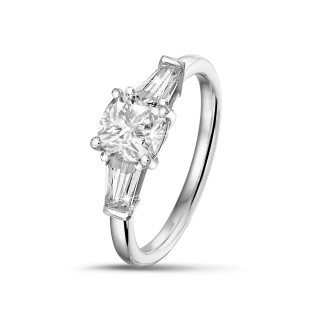
![1.00 carat trilogy ring in platinum with a cushion diamond and tapered baguettes]() Bestseller1.00 carat trilogy ring in platinum with a cushion diamond and tapered baguettesFrom USD 5.960,00 (excl. VAT)
Bestseller1.00 carat trilogy ring in platinum with a cushion diamond and tapered baguettesFrom USD 5.960,00 (excl. VAT) -
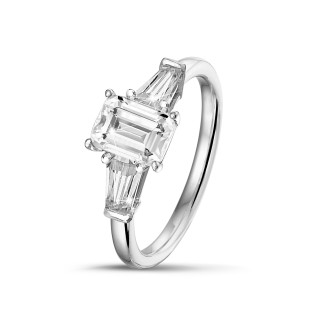
![1.00 carat trilogy ring in platinum with an emerald cut diamond and tapered baguettes]() Bestseller1.00 carat trilogy ring in platinum with an emerald cut diamond and tapered baguettesFrom USD 7.290,00 (excl. VAT)
Bestseller1.00 carat trilogy ring in platinum with an emerald cut diamond and tapered baguettesFrom USD 7.290,00 (excl. VAT) -
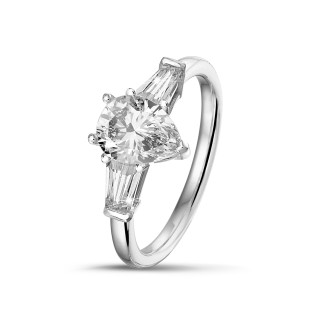
![1.00 carat trilogy ring in platinum with pear diamond and tapered baguettes]() Bestseller1.00 carat trilogy ring in platinum with pear diamond and tapered baguettesFrom USD 6.770,00 (excl. VAT)
Bestseller1.00 carat trilogy ring in platinum with pear diamond and tapered baguettesFrom USD 6.770,00 (excl. VAT)
.
Why should I invest in platinum instead of gold?
Why should I choose platinum over gold? Because platinum is much rarer. The much lower production and the larger number of possible applications means demand for this is much greater. Platinum jewellery requires much less maintenance compared to jewellery made of gold. They carry an equally high status, but don’t corrode. This means you will not need to have your platinum jewellery cleaned or spruced up for the same level of prestige. Gems like diamonds also look best when combined with platinum or white gold.
In addition, platinum isn’t just in demand in the jewellery industry. Its versatility has also been discovered in the industrial and medical world.
Where platinum hides: common scrap sources
Platinum isn’t only found as bullion or finished jewellery. It appears in small but recoverable amounts across everyday and industrial items. Below are common sources, short identification tips and a reminder to have any suspect material professionally assayed before assuming value.
Catalytic converters
Catalytic converters for petrol and diesel vehicles contain platinum group metals that help exhaust reactions. Look for the metal honeycomb inside the shell; converters feel heavy for their size and are often stamped with part numbers rather than purity marks. They are non-magnetic and denser than ordinary steel. Do not try to open converters yourself; a professional assessor or recycler can safely extract and evaluate the substrate.
Obsolete electronics
Hard drive platters, certain fibre-optic connectors and legacy electrical contacts sometimes carry thin platinum coatings. Platters are mirror-like and unusually heavy for their diameter, while optical connectors and contact pins may show a silvery, non-magnetic plating. These coatings are microscopic, so value depends on volume and professional recovery methods; a bulk assay is the reliable way to know what you have.
Dental crowns and bridges
Older dental restorations can include platinum alloys. Unlike gold, platinum-containing dental pieces are silvery-white, may not be magnetic and can feel heavier than base-metal alternatives. Dental alloys are often attached to porcelain; send material only to refiners who separate and assay the metal rather than guessing by appearance.
Laboratory equipment
Crucibles, evaporating dishes and some thermocouple components used in high-temperature labs can contain platinum or its alloys because they resist heat and chemical attack. These items are typically heavy, inert to common acids and may carry maker markings rather than purity stamps. Because lab equipment can be contaminated with chemicals, have professionals handle, clean and assay them.
Medical devices
Small medical components such as pacemaker leads, some catheter tips or stent elements can include platinum or platinum alloys for radiopacity and biocompatibility. Legal and ethical rules apply when sourcing medical scrap, so accept material only with clear ownership and documentation. Identification is often by part number or manufacturer mark; a certified assay will confirm presence and quantity.
Industrial sensors and spark plug tips
Sensors, electrode tips and some spark plug designs use platinum for stable electrical and catalytic properties. These parts are small and wear down with use, so collect in volume and have them tested in aggregate. Non-magnetic, silver-grey fragments that are unusually dense for their size warrant professional inspection.
Obsolete jewellery and watch parts
Broken clasps, old watch crowns and vintage settings sometimes contain higher-purity platinum. Hallmarks such as Pt, Pt950 or PLAT indicate platinum content, though wear can obscure stamps. When hallmarks are missing, rely on weight, colour and a subsequent assay rather than visual guessing.
High-temperature industrial residues
Slags, filters and catalyst supports from chemical plants or fuel-processing units can concentrate platinum group metals. These materials are often bulky and dirty; refiners and specialist recyclers have the processes to recover platinum from such residues. Never attempt chemical recovery at home; professional facilities are required to separate and certify the metal.
Safety, ownership and legality
Always confirm legal ownership before collecting or selling scrap, and never remove parts from vehicles or medical devices without permission. For both safety and accurate valuation, present suspect material to reputable refiners or accredited labs for professional cleaning and assay. That way you avoid legal risk and obtain an objective measure of any recoverable platinum.
How do I invest in platinum?
-
Why should I opt for bars of platinum?
Bars of platinum are purely an investment. You buy a bar and place this in your safe until the raw material has increased in value enough for you to sell it on again. Bars are harder to sell on than other forms, but you will get a high return on the pure raw material. Do pay attention to the stamp from a reputable seller. This means you’ll be able to count on 99.95% purity.
-
Why should I opt for platinum coins?
Which form of platinum should I choose for a smaller investment? Opt for platinum coins. You can choose the quantity you want to buy with which starting budget. You can subsequently sell them all at the same time, or a few each time. This will ensure you can keep something for yourself for later. This flexibility also makes it easier to sell them on again when you are ready to do so.
-
Why should I opt for platinum jewellery?
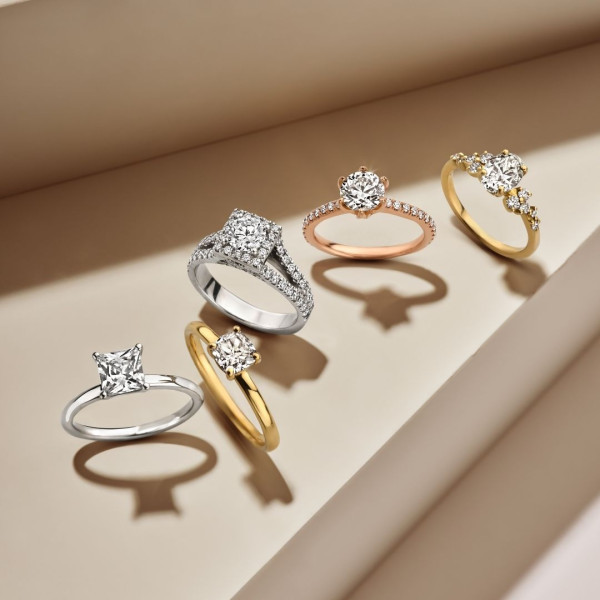
Finally, you could opt for an investment in a valuable piece of jewellery. Platinum can be beautifully combined with diamonds into a timeless accessory which suits everything. Globally platinum jewellery is also experiencing an enormous rise as a result of its sustainability. You are therefore always opting for quality. How can I realise even higher returns on my jewellery? With sentimental value. Jewellery will increase in value during the course of time, as you give this your own story.
How to confirm platinum content: testing & assaying
If you think an item contains platinum, a laboratory analysis is the only reliable method. There are three common approaches worth knowing. XRF, or X-ray fluorescence, gives a fast, non-destructive surface reading that identifies elements present and provides a provisional purity estimate. ICP-OES or ICP-MS are solution-based techniques that measure elemental concentrations after the sample has been dissolved, producing precise bulk composition results. Fire assay, less common for platinum than for gold, can be adapted by specialist refineries to determine total precious metal content in a sample.
For trustworthy results, send samples to an ISO 17025 accredited laboratory or to a reputable precious metals refiner that offers independent assays. When you submit material, request a certificate stating sample weight, identified elements and reported purity or concentrations. Prepare samples as the lab requests; some labs prefer cleaned, separate metal pieces, others accept small attached substrates for paired testing. Ask what sample preparation they will perform so there are no surprises about how the material is handled.
Assay results directly influence resale and refining offers. A certified purity figure and weight allow buyers to calculate an accurate payout and reduce disputes. If a lab report identifies contaminants or attached substrates, refiners will quote based on recoverable metal alone, so the report helps you choose the best buyer. Start by contacting ISO-certified testing labs, established precious metal refiners or industrial metal recovery services for guidance on how to submit samples and what documentation they require.
Why should I buy diamonds as a raw material?
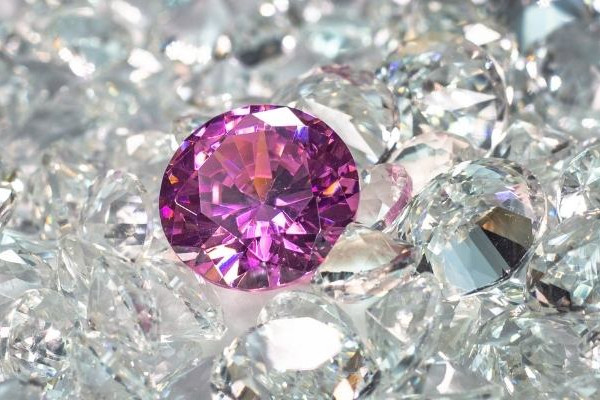
A diamond will always be your best choice if you’re looking for a valuable investment with added emotional value. The international treaty to ban conflict diamonds via the Kimberley process will guarantee you ethical diamonds. Plus you can also buy diamonds in addition to platinum in the form of a special and personal piece of jewellery.
Where can I find a reliable partner for my valuable investment? Why can I find beautiful platinum and diamond jewellery? Ask BAUNAT’s diamond experts for advice for your safe investment in platinum jewellery.
How scrap platinum is valued and where to sell it
Scrap platinum is valued on a few clear principles: the quantity of recoverable metal, its purity and how easily a buyer can extract that metal. Typical buyers include precious metal refiners, specialist catalytic converter recyclers, dental metal refiners and industrial recyclers. Each buyer type evaluates material differently. Refiners focus on assay-backed weight and purity, catalytic recyclers price converters by substrate weight and content, while dental refiners handle mixed alloys and often separate precious fractions before paying out.
Documentation and assay certificates raise offers because they remove uncertainty. If you can provide a lab certificate showing weight and purity, or clear provenance for medical or dental material, buyers will typically give more competitive quotes than for unknown, untested scrap. The physical form also matters: loose, reasonably clean metal is easier to process than powdery residues or alloy encased in dense substrates. Explain to buyers what you have, provide any part numbers or markings, and disclose if items contain adhesives, ceramics or other contaminants.
When preparing material for sale, avoid risky or destructive attempts to separate substrates yourself. Gentle cleaning to remove gross dirt is fine, but aggressive chemical or mechanical processing can destroy value and present safety hazards. Instead, sort by type where possible, label batches, and ask potential buyers how they prefer samples to be presented. Contact at least two different refiners or recyclers for written quotes based on the same assay or sample description; this comparison helps ensure you receive a fair market offer. Keep all assay documentation so the valuation trail is clear for future reference or for presenting to other buyers.
-
Fabienne Rauw
-
BAUNAT Antwerp
-
-
Fabienne, manager of the German market is able to guide every client with finding the right jewel. She takes care of most of the German orders, but also takes other task on her plate. Thanks to her six years of experience at BAUNAT she acquainted well with the product and the marketing around it. Her degree in PR ensures that BAUNAT is well presented across all media channels. For anyone looking into a new investment opportunity, Fabienne is the perfect guide in this process. No question will be left unanswered, and she will help you every step of the way.
Selected Bespoke Projects
• Eternal Bloom bespoke engagement concept - Role: project lead for client briefing and prototype coordination. Fabienne translated personal design references into a 3D-printed prototype, supervised stone selection and ensured the finished piece matched the client’s vision and comfort preferences.
• Personalized anniversary necklace - Role: design coordinator and quality overseer. She managed the custom design process from the initial sketch to final polishing, liaising between client and workshop to preserve proportions and finish.
• Reimagined heirloom ring restoration and redesign - Role: client consultant and technical coordinator. Fabienne guided the client through options to modernize setting details while keeping sentimental elements, delivering a wearable result that respected the original piece.
Her hands-on involvement in bespoke commissions ensures each custom order has a clear brief, careful prototype review and close follow-up with the workshop, so clients receive a tailored jewel that meets both aesthetic and practical expectations.
Professional enquiries
For speaking engagements, press requests or research collaborations, please send your message to BAUNAT’s communications team with the subject line: "Fabienne Rauw - Professional Enquiry." Include a brief description of the request and any relevant dates or documents. The communications team will route enquiries to Fabienne and provide guidance on next steps.
Fabienne, manager of the German market is able to guide every client with finding the right jewel. She takes care of most of the German orders, but also takes other task on her plate. Thanks to her six years of experience at BAUNAT she acquainted well with the product and the marketing around it. Her degree in PR ensures that BAUNAT is well presented across all media channels. For anyone looking into a new investment opportunity, Fabienne is the perfect guide in this process. No question will be left unanswered, and she will help you every step of the way.
Selected Bespoke Projects
• Eternal Bloom bespoke engagement concept - Role: project lead for client briefing and prototype coordination. Fabienne translated personal design references into a 3D-printed prototype, supervised stone selection and ensured the finished piece matched the client’s vision and comfort preferences.
• Personalized anniversary necklace - Role: design coordinator and quality overseer. She managed the custom design process from the initial sketch to final polishing, liaising between client and workshop to preserve proportions and finish.
• Reimagined heirloom ring restoration and redesign - Role: client consultant and technical coordinator. Fabienne guided the client through options to modernize setting details while keeping sentimental elements, delivering a wearable result that respected the original piece.
Her hands-on involvement in bespoke commissions ensures each custom order has a clear brief, careful prototype review and close follow-up with the workshop, so clients receive a tailored jewel that meets both aesthetic and practical expectations.
Professional enquiries
For speaking engagements, press requests or research collaborations, please send your message to BAUNAT’s communications team with the subject line: "Fabienne Rauw - Professional Enquiry." Include a brief description of the request and any relevant dates or documents. The communications team will route enquiries to Fabienne and provide guidance on next steps.