







Features:
-
Category:
-
Posted at:
-
Author:
- Fabienne Rauw
-
BAUNAT Antwerp
-


-
Reading time:9 minutes
In this article:
BAUNAT’s Guide to Solitaire Settings
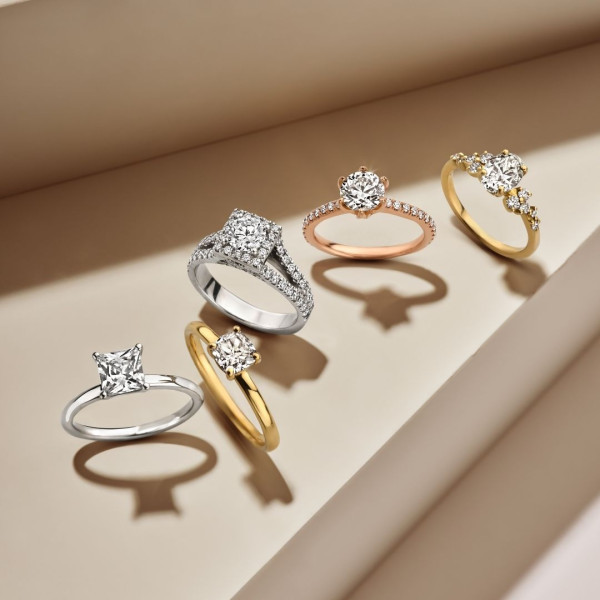
At BAUNAT, we firmly believe in the power of a solitaire setting. Primarily, a solitaire setting is a design that showcases a single, radiant diamond, a testament to our belief in unveiling natural beauty. It could be an elegant necklace, a pair of shining gold earrings or an exclusive piece of men's jewellery. The diamond is held in place with a series of clamps or prongs, positioned to catch and reflect the maximum amount of light, thereby enhancing its natural brilliance.
Read summary
What makes solitaire settings so special in diamond jewelry, and how can you choose the perfect one?
A solitaire setting elegantly showcases a single diamond, maximizing its natural brilliance through strategic placement of prongs or clamps that capture light perfectly. Whether in rings, necklaces, or earrings, these settings have become timeless symbols of love, particularly in engagement rings. BAUNAT offers various setting options to suit different preferences: the classic prong setting uses four or six prongs to secure the stone, the cathedral setting features Gothic-inspired architecture, the tension setting creates a floating effect, and the bezel setting fully encases the diamond for protection. The diamond's shape plays a crucial role in the overall design, with brilliant cuts being particularly popular, while princess and pear shapes offer trendy alternatives. Each setting type uniquely enhances the diamond's beauty while ensuring its security, making solitaires a perpetually elegant choice for meaningful jewelry pieces.
Most viewed diamond jewels
-
![1.00 carat solitaire cluster ring in white gold with marquise diamond]() BestsellerNew1.00 carat solitaire cluster ring in white gold with marquise diamondFrom € 4.622,20 (incl. 21% VAT)
BestsellerNew1.00 carat solitaire cluster ring in white gold with marquise diamondFrom € 4.622,20 (incl. 21% VAT) -
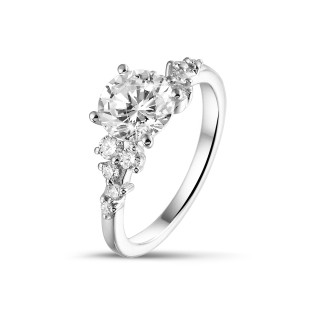
![1.00 carat solitaire cluster ring in white gold with a round diamond]() Bestseller1.00 carat solitaire cluster ring in white gold with a round diamondFrom € 4.343,90 (incl. 21% VAT)
Bestseller1.00 carat solitaire cluster ring in white gold with a round diamondFrom € 4.343,90 (incl. 21% VAT) -
![1.00 carat solitaire ring with an asscher cut diamond in white gold]() Bestseller1.00 carat solitaire ring with an asscher cut diamond in white goldFrom € 4.936,80 (incl. 21% VAT)
Bestseller1.00 carat solitaire ring with an asscher cut diamond in white goldFrom € 4.936,80 (incl. 21% VAT) -
![1.00 carat solitaire ring with a cushion diamond and hidden halo in white gold]() BestsellerNew1.00 carat solitaire ring with a cushion diamond and hidden halo in white goldFrom € 4.210,80 (incl. 21% VAT)
BestsellerNew1.00 carat solitaire ring with a cushion diamond and hidden halo in white goldFrom € 4.210,80 (incl. 21% VAT) -
![0.15 carat solitaire ring with a oval cut diamond in white gold]() New0.15 carat solitaire ring with a oval cut diamond in white goldFrom € 2.323,20 (incl. 21% VAT)
New0.15 carat solitaire ring with a oval cut diamond in white goldFrom € 2.323,20 (incl. 21% VAT)



Celebrating Moments with Solitaire Diamonds
Solitaire diamonds, particularly in engagement rings, serve as timeless symbols of endless love and loyalty. The moment a man proposes with a breathtaking diamond solitaire ring from BAUNAT, it etches a moment in time that will forever be remembered.
Each glance at her BAUNAT diamond ring transports her back to the romantic event that changed her life forever. Many men opt for the resplendent elegance of our traditional diamond solitaire setting, a decision complimented by the ring's versatility in complementing every style. Choose from a multitude of types and allow BAUNAT's personal service to guide you.
Choosing the Perfect Shape for Solitaire Diamonds
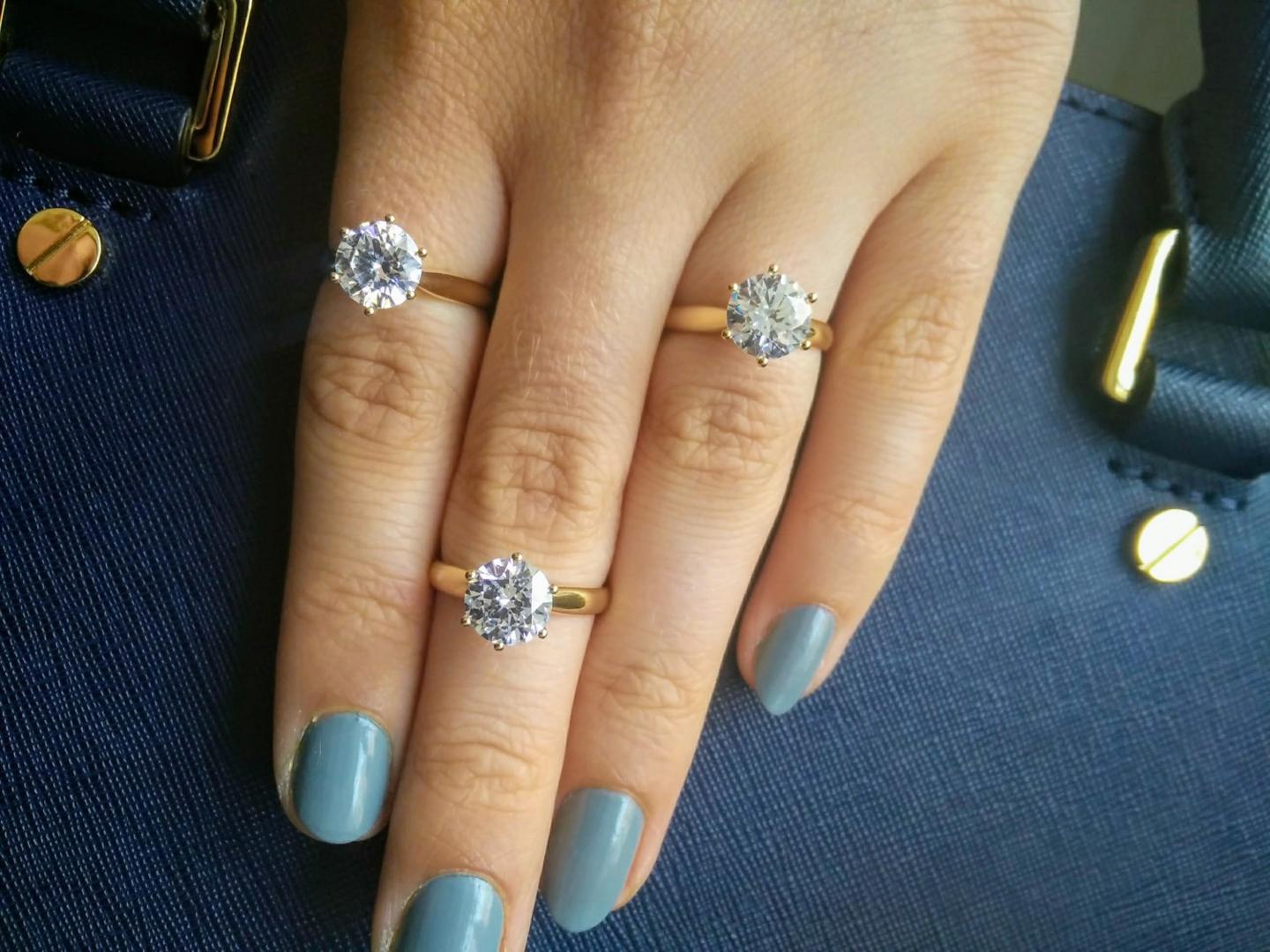
Every solitaire setting starts with selecting the ideal diamond shape. The radiant solitaire engagement ring, adorned with a highly reflective brilliant cut diamond, is a much-loved choice among BAUNAT clientele. However, our trendy princess cut and pear-shaped diamonds are gaining popularity. Keep in mind how the diamond will be set; a four-prong setting gives an angular appearance, while six prongs lend to a more rounded look.
Exploring BAUNAT’s Range of Solitaire Settings
Once the diamond shape is selected, the perfect setting type comes next. BAUNAT offers a variety of settings each designed to secure the diamond in place:
-
The prong setting: Our most popular choice where the diamond is securely held in four or six prongs.
-
The cathedral setting: With sides reminiscent of a Gothic cathedral vault, this setting holds the solitaire diamond securely.
-
The tension setting: The diamond appears to float between two precious metal 'arms', with no precious metal underneath, making it easy to clean.
-
The bezel setting: The solitaire diamond is framed completely by a precious metal band, not only making it appear larger but also better protected.
Regardless of the diamond shape and setting you prefer, BAUNAT's handcrafted jewellery from Antwerp promises a stunning diamond solitaire ring to surprise your loved one.
What makes solitaire settings so special in diamond jewelry, and how can you choose the perfect one?
Prong (four- and six-prong)
Pros/Cons:
- Pros: Maximises light and sparkle, makes the diamond look bigger, classic, timeless appearance.
- Cons: Prongs can catch on fabric or be damaged with rough use and need inspection and maintenance.
Safety note: Six prongs give extra grip on larger stones; four prongs allow more light.
Maintenance: Have the prongs checked yearly if worn daily; worn prongs may need re-tipping after years of use.
Perceived size & light performance: Prong settings admit a lot of side light, so brilliant cuts show maximum sparkle and often appear larger than the same stone in a full surround.
Recommendation: Choose prongs if you want maximum sparkle and a classic look and can plan for occasional checks.
Bezel
Pros/Cons:
- Pros: Offers strong protection for edges and points, ideal for daily wear; clean, contemporary profile.
- Cons: Rounds the sides which reduces side light, so the stone can look smaller and show slightly less fire.
Safety note: Very secure, suitable for active wearers or hands-on work.
Maintenance: Bezel settings need little upkeep; check every 1–2 years for scratches, metal wear or a secure fit around the diamond.
Perceived size & light performance: A bezel limits side light so the diamond often appears slightly smaller but keeps a steady, controlled shine.
Recommendation: Choose a bezel when protection and low maintenance matter more than maximum fire.
Cathedral
Pros/Cons:
- Pros: Elevates the diamond with elegant arch structures, adds visual length and refinement; makes the stone more prominent.
- Cons: A higher profile increases exposure to knocks; tall heads can be uncomfortable in very active wear.
Safety note: Good balance between looks and sturdiness; requires the same checks as prong settings.
Maintenance: Inspect the head and the transition to the shank annually; watch for deformation after hard impacts.
Perceived size & light performance: The raised position and fine crown structures enhance perceived size and spotlight effect.
Recommendation: Choose cathedral for classic refinement and a prominent display of the diamond.
Halo / Hidden Halo
Pros/Cons:
- Pros: Halos increase perceived carat weight without a larger centre stone; hidden halos add subtle side sparkle visible from angles.
- Cons: More small stones mean more maintenance and a higher chance of dirt collecting between settings.
Safety note: Pavé and micro settings need regular checks for loose stones.
Maintenance: Regular cleaning and inspections to ensure small stones remain secure; be mindful of dirt buildup in settings.
Perceived size & light performance: Halos boost spread and add fire; a hidden halo gives a discreet rim of light at certain angles.
Recommendation: Choose a halo to increase visual size and sparkle without upgrading the centre stone
Customization & Side-profile Features
Hidden details in the side profile and small additions can change a solitaire’s look and comfort. Below are the main options and when to pick them.
Hidden halo vs full halo
A full halo frames the centre diamond entirely with small brilliants, which increases apparent size and fire. A hidden halo sits just under the centre stone and is visible only from certain angles, adding discreet sparkle without changing the classic solitaire silhouette. Choose a full halo for maximal presence, or a hidden halo for subtler extra fire.
Peek-a-boo diamonds and side stones
Peek-a-boo diamonds are small stones set into the side profile or beneath the head, visible from the side. Side stones such as baguettes or tapered baguettes add length and a more luxurious look. Both options add personality and light, though more small settings increase cleaning and maintenance needs.
Shank styles and perceived size
Shank width, shape and texture affect how large the centre diamond looks. A slim, plain shank makes the stone appear bigger and keeps the focus central; a wider or textured shank gives a sturdier look and can slightly reduce the perceived size. Split shanks or pavé shanks direct light toward the centre stone and can create a sense of greater carat weight.
Metal guidance tied to diamond colour and skin tone
Metal choice changes how diamond colour reads. For very colourless stones (D–F), platinum or 18k white gold highlights clarity and fire. Slightly warmer or near-colourless stones (G–J) look good in 18k yellow or rose gold, as warm tones mask slight tints and soften the overall look. Consider skin tone: cool skin tones pair well with white metals, warm skin tones often suit yellow or rose gold.
Practical tips for choosing
- For extra sparkle without a larger centre stone: pick a hidden halo or subtle side stones.
- For daily protection: avoid high, delicate profiles; choose a lower bezel or sturdy prong.
- Unsure about metal: ask for samples or view rings in natural light to see how metal and diamond interact.
With these options you can design a solitaire that complements the centre diamond and matches your taste and daily needs.
-
Fabienne Rauw
-
BAUNAT Antwerp
-
-
Fabienne, manager of the German market is able to guide every client with finding the right jewel. She takes care of most of the German orders, but also takes other task on her plate. Thanks to her six years of experience at BAUNAT she acquainted well with the product and the marketing around it. Her degree in PR ensures that BAUNAT is well presented across all media channels. For anyone looking into a new investment opportunity, Fabienne is the perfect guide in this process. No question will be left unanswered, and she will help you every step of the way.
Selected Bespoke Projects
• Eternal Bloom bespoke engagement concept - Role: project lead for client briefing and prototype coordination. Fabienne translated personal design references into a 3D-printed prototype, supervised stone selection and ensured the finished piece matched the client’s vision and comfort preferences.
• Personalized anniversary necklace - Role: design coordinator and quality overseer. She managed the custom design process from the initial sketch to final polishing, liaising between client and workshop to preserve proportions and finish.
• Reimagined heirloom ring restoration and redesign - Role: client consultant and technical coordinator. Fabienne guided the client through options to modernize setting details while keeping sentimental elements, delivering a wearable result that respected the original piece.
Her hands-on involvement in bespoke commissions ensures each custom order has a clear brief, careful prototype review and close follow-up with the workshop, so clients receive a tailored jewel that meets both aesthetic and practical expectations.
Professional enquiries
For speaking engagements, press requests or research collaborations, please send your message to BAUNAT’s communications team with the subject line: "Fabienne Rauw - Professional Enquiry." Include a brief description of the request and any relevant dates or documents. The communications team will route enquiries to Fabienne and provide guidance on next steps.
Fabienne, manager of the German market is able to guide every client with finding the right jewel. She takes care of most of the German orders, but also takes other task on her plate. Thanks to her six years of experience at BAUNAT she acquainted well with the product and the marketing around it. Her degree in PR ensures that BAUNAT is well presented across all media channels. For anyone looking into a new investment opportunity, Fabienne is the perfect guide in this process. No question will be left unanswered, and she will help you every step of the way.
Selected Bespoke Projects
• Eternal Bloom bespoke engagement concept - Role: project lead for client briefing and prototype coordination. Fabienne translated personal design references into a 3D-printed prototype, supervised stone selection and ensured the finished piece matched the client’s vision and comfort preferences.
• Personalized anniversary necklace - Role: design coordinator and quality overseer. She managed the custom design process from the initial sketch to final polishing, liaising between client and workshop to preserve proportions and finish.
• Reimagined heirloom ring restoration and redesign - Role: client consultant and technical coordinator. Fabienne guided the client through options to modernize setting details while keeping sentimental elements, delivering a wearable result that respected the original piece.
Her hands-on involvement in bespoke commissions ensures each custom order has a clear brief, careful prototype review and close follow-up with the workshop, so clients receive a tailored jewel that meets both aesthetic and practical expectations.
Professional enquiries
For speaking engagements, press requests or research collaborations, please send your message to BAUNAT’s communications team with the subject line: "Fabienne Rauw - Professional Enquiry." Include a brief description of the request and any relevant dates or documents. The communications team will route enquiries to Fabienne and provide guidance on next steps.