







Features:
-
Posted at:
-
Author:
- An Van Puyvelde
-
An Van Puyvelde - Order & Administration Manager
-


-
Reading time:14 minutes
In this article:
- Durability & Everyday Suitability: Which Gemstone Lasts Best on a Wedding Ring
- Durability & Wearability: Which gemstones stand up to daily wear?
- An Emphasis on Diamond Engagement Rings and Diamond Prices Evolution
- Understanding the Significance of Sapphire, Emerald and Ruby
- How to Choose: A Practical Checklist for Your Gemstone Engagement Ring
- How do Gemstones Contrast with Semi-Precious Stones?
Seal Your Promise with the Ultimate Gem: A New Take on Engagement Rings
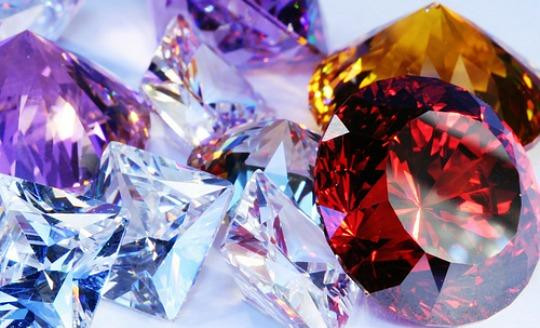
Have you ever pondered why every gemstone corresponds to a specific month and each holds its distinctive symbolism? These facets often influence couples' decisions regarding the gemstones they choose for their wedding rings. But the question remains, which gemstone perfectly synchronizes with your engagement ring?
Read summary
What makes different gemstones meaningful choices for engagement rings, and which ones stand out as top choices?
The tradition of gemstone engagement rings carries deep symbolic meaning, with diamonds leading the way due to their unmatched durability and representation of eternal love. Their name, derived from the Greek 'adamas' meaning indestructible, perfectly aligns with the promise of lasting commitment. Following diamonds, sapphires, rubies, and emeralds rank as the most prestigious options. Sapphires symbolize loyalty and wisdom, while rubies represent strength against betrayal. Emeralds embody love, hope, and eternal youth. Other meaningful choices include turquoise for friendship and prosperity, amethyst for positivity, and opal for protection and passion. When selecting an engagement ring, the gemstone's symbolism can add a profound layer of meaning to your proposal, making the choice about more than just aesthetics.

Most viewed diamond jewels
-
![1.00Ct halo ring in white gold with oval diamond]() Bestseller1.00Ct halo ring in white gold with oval diamondFrom € 5.578,10 (incl. 21% VAT)
Bestseller1.00Ct halo ring in white gold with oval diamondFrom € 5.578,10 (incl. 21% VAT) -
![1.00 carat solitaire cluster ring in white gold with marquise diamond]() BestsellerNew1.00 carat solitaire cluster ring in white gold with marquise diamondFrom € 4.622,20 (incl. 21% VAT)
BestsellerNew1.00 carat solitaire cluster ring in white gold with marquise diamondFrom € 4.622,20 (incl. 21% VAT) -
![0.95 carat diamond rose design ring in white gold]() NewPrincess Delphine0.95 carat diamond rose design ring in white goldFrom € 16.831,10 (incl. 21% VAT)
NewPrincess Delphine0.95 carat diamond rose design ring in white goldFrom € 16.831,10 (incl. 21% VAT) -
![1.00 carat solitaire ring with an asscher cut diamond in white gold]() Bestseller1.00 carat solitaire ring with an asscher cut diamond in white goldFrom € 4.936,80 (incl. 21% VAT)
Bestseller1.00 carat solitaire ring with an asscher cut diamond in white goldFrom € 4.936,80 (incl. 21% VAT) -
![1.00 carat solitaire ring with a cushion diamond and hidden halo in white gold]() BestsellerNew1.00 carat solitaire ring with a cushion diamond and hidden halo in white goldFrom € 4.210,80 (incl. 21% VAT)
BestsellerNew1.00 carat solitaire ring with a cushion diamond and hidden halo in white goldFrom € 4.210,80 (incl. 21% VAT)


Durability & Everyday Suitability: Which Gemstone Lasts Best on a Wedding Ring
Choosing an engagement ring is as much about symbolism and appearance as it is about how the stone behaves day to day. Durability determines whether a gemstone will withstand knocks, regular cleaning and the small accidents of everyday life. For those who wear their ring constantly, knowing both hardness and toughness sets realistic expectations and helps pick the right setting.
Quick reference: common gemstones and their wear characteristics
- Diamond - Mohs 10. Exceptional hardness and very high toughness, suitable for daily wear. Keeps its polish and resists scratches.
- Sapphire - Mohs 9. Very hard with strong toughness, a good everyday alternative to diamond when colour is desired.
- Ruby - Mohs 9. Like sapphire, ruby combines high hardness with good toughness and suits regular wear.
- Emerald - Mohs 7.5–8. Moderate hardness but often contains inclusions and cleavage planes that reduce toughness. Needs cautious use and a protective mounting.
- Morganite - Mohs ~7.5–8. Attractive pastel colour but softer than corundum. More vulnerable to scratches and impacts; better with protective design.
- Opal - Mohs ~5.5–6.5. Relatively soft and sensitive to knocks and sudden temperature or moisture changes. Best for pieces that are worn occasionally rather than every day.
Hardness versus toughness, plainly explained
Hardness is how easily a surface is scratched. Toughness is how well a stone resists chipping, cracking or breaking when struck. A very hard gem can still be brittle if it has cleavage or internal fractures, while a slightly softer stone with good toughness may take impact better in practice. Both properties matter: hardness preserves polish and prevents everyday abrasions; toughness prevents fractures from knocks.
Protective settings and practical wear advice
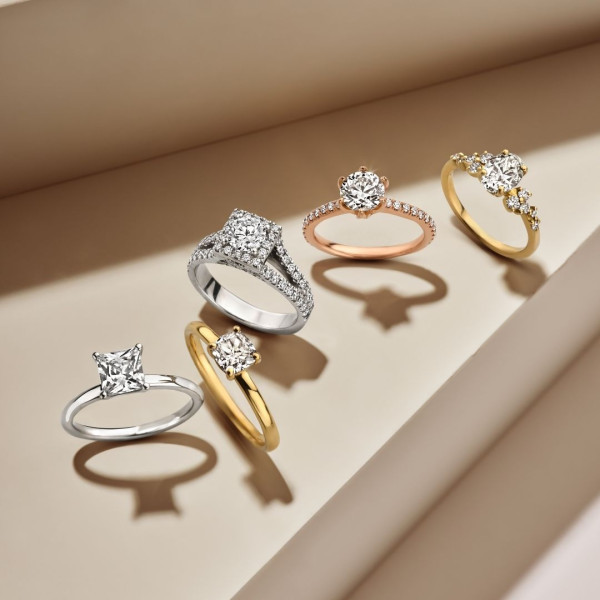
When you choose a softer or more brittle gemstone, the right setting compensates for its vulnerability. Bezel and partial-bezel settings that surround the stone's girdle give the best edge protection. Low-profile prong settings with sturdy prongs reduce the chance of catches. Channel and halo designs can also shield the centre stone from direct blows. Avoid tension settings for gemstones the maker does not recommend, as they expose the girdle and increase the risk of displacement.
For high-wear rings, prefer harder stones such as diamond, sapphire or ruby. If you prefer a softer gemstone like emerald, morganite or opal, choose a protective mounting, accept that the ring needs more careful handling, and use gentler cleaning methods to preserve both stone and setting.
Durability & Wearability: Which gemstones stand up to daily wear?
Durability is one of the most practical considerations when choosing a gemstone for an engagement ring. Two properties determine how a stone behaves in daily life: hardness, which measures resistance to scratching, and toughness, which indicates resistance to breaking or chipping. Both matter for a centre stone that will be worn every day.
Mohs hardness is the familiar scale from 1 to 10 that ranks minerals by scratch resistance. Diamond sits at the top with a Mohs value of 10, making it very resistant to surface scratches. Sapphire and ruby, both varieties of corundum, score 9, which makes them excellent choices for everyday wear. Emeralds register around 7.5 to 8 on the Mohs scale; that indicates reasonable scratch resistance, but other factors affect their suitability. Semi-precious alternatives such as aquamarine and morganite fall between roughly 7.5 and 8, so they are softer than corundum but harder than many other gems.
Toughness and cleavage describe how a stone reacts to impacts. Some gems, despite decent hardness, have natural cleavage planes or lower toughness that make them more prone to chipping. Emeralds are a clear example: they commonly contain inclusions and have cleavage, which increases the risk of chips if struck at certain angles. Practically, this means an emerald set as a centre stone needs protection from knocks, especially in rings worn during active routines. By contrast, sapphires and rubies combine high hardness with good toughness, which is why they have long histories as durable centre stones.
What does this mean for suitability and care? Diamonds, sapphires and rubies are the most forgiving for daily-wear engagement rings, because of their hardness and overall durability. Emeralds, aquamarine and morganite can make beautiful, meaningful centre stones but require more caution: avoid heavy manual tasks while wearing them and choose protective design details. For stones with lower toughness, routine care and periodic inspection help preserve both beauty and integrity.
Setting choices should focus on protecting the pavilion and girdle while showcasing the gem. For stones that are softer or have cleavage tendencies, designs that offer more bezel coverage or guard the edges can reduce the risk of chips. For very hard stones, more open settings are possible without sacrificing safety. When choosing a setting, consider how the stone will be worn daily, the wearer’s lifestyle and how much protection the design provides, rather than selecting a setting based only on looks.
Quick reference per stone:
- Diamond: Mohs 10, excellent toughness, ideal for daily wear.
- Sapphire (blue and fancy colours): Mohs 9, very good toughness, excellent for daily wear.
- Ruby: Mohs 9, very good toughness, excellent for daily wear.
- Emerald: Mohs ~7.5–8, cleavage and common inclusions increase chip risk; suitable with protective designs and careful wear.
- Aquamarine: Mohs ~7.5–8, generally suitable with cautious daily wear, benefits from protective settings.
- Morganite: Mohs ~7.5–8, attractive colour but softer than corundum, best with mindful wear and secure mounting.
By knowing the difference between scratch resistance and structural resilience, and by matching stone choice and setting style to the wearer’s habits, you can choose a gemstone that balances beauty with real-world durability.
Quick checklist: How to choose the right gemstone
- Assess daily habits: Will the ring be worn during manual tasks, sports or regular hand-intensive activities? More active lifestyles favour harder, tougher stones.
- Prioritise colour and symbolism: Decide how important hue and meaning are versus absolute durability; some stones carry symbolism that may justify extra care.
- Set a durability threshold: Aim for stones with higher Mohs values and good toughness for everyday wear; if you choose a softer gem, plan for protective design features.
- Consider setting compatibility: Choose a mounting that balances protection and light - closed or partial bezels and guarded prongs add security for more fragile gems.
- Understand maintenance commitment: Some gemstones require gentler cleaning and more frequent checks; be realistic about ongoing care.
- Shape and size matter: Larger, shallow stones expose more surface and edges, increasing risk of damage; cut and proportion influence durability.
- Consult advisors for personalization: An expert can help align gemstone choice, setting and lifestyle to create a ring that combines beauty with practical longevity.
For tailored guidance, BAUNAT advisors are available to help you find the right balance between aesthetics, symbolism and wearability.
An Emphasis on Diamond Engagement Rings and Diamond Prices Evolution
The everlasting charm of diamonds stretches back into the depths of history. This gemstone, often affiliated with unbreakability due to its hardness, resonates deeply with the concept of enduring relationships. The term 'diamond' hails from the Ancient Greek word ‘adamas,’ symbolizing indestructibility — enhancing its appeal as representing perpetual love, making it the gemstone of choice for an engagement ring!
Your task is now to single out your preferred diamond cut before taking that momentous step of proposing.
Understanding the Significance of Sapphire, Emerald and Ruby
After diamonds, sapphires, emeralds, and rubies are the most renowned and sought-after gemstones for engagement rings. The word Sapphire is a Greek term signifying 'the most beautiful,' representing piety and tranquility. This gemstone fosters loyalty, serenity, and wisdom in matrimony. Similarly, ruby also stands for loyalty, and its association with the strength to resist betrayal made it a favored choice among royalty. A golden ring embedded with a ruby is not just unique but rich in symbolism.
Emerald, borrowing its name from the Persian phrase 'heart of stone,' symbolizes love, hope, rebirth, and eternal youth. Regardless of the gemstone you pick for your engagement ring, you are gifting much more than a piece of jewelry.
Sapphire vs Diamond: Color, Durability and Symbolism
Sapphires offer a broad colour palette beyond the classic deep blue, including pastel pinks, yellows and parti-colours, which gives them strong appeal for personalised engagement rings. Visually, sapphires have good brilliance but a different light return than diamonds, which show intense white sparkle because of diamond's higher refractive index. In terms of durability, sapphire is Mohs 9 and combines excellent hardness with reliable toughness, making it a practical choice for daily wear. Heat treatment to improve colour and clarity is common; always request written disclosure and any relevant reports. Certification from a reputable laboratory helps confirm identity and treatment history. For active lifestyles, a sapphire in a protective setting balances striking colour with everyday resilience.
Emerald vs Diamond: Color, Durability and Symbolism
Emeralds are prized for their saturated green, a hue distinct from any diamond colour. Colour depth is their defining appeal, but many emeralds contain inclusions and natural fissures that reduce toughness. While hardness is moderate, those internal features make emeralds more prone to chipping than corundum or diamond. Oiling is a common treatment to improve clarity; ask whether treatments are stable and fully disclosed. For engagement rings, consider protective mountings and lower-profile designs that guard the stone’s edges. Certification is important to verify both natural origin and any enhancements. If you choose an emerald, expect a more careful wear routine in exchange for its unique colour and romantic symbolism.
Ruby vs Diamond: Color, Durability and Symbolism
Rubies, the red variety of corundum, offer vivid colour and strong presence. Like sapphire, ruby scores Mohs 9 and typically provides excellent resistance to scratching alongside good toughness. Rubies can display strong brilliance and saturation that make them an emotionally powerful centre stone. Heat treatment to enhance colour is common and widely accepted in the trade; full disclosure is standard among reputable sellers. For most lifestyles, a ruby in a well-designed setting gives both durability and dramatic colour, making it a good choice when you want a coloured stone with day-to-day practicality.
Across all comparisons, certification and treatment disclosure matter. Diamonds remain the benchmark for brilliance and hardness, while sapphires and rubies offer top-tier durability with a palette of colour. Emeralds reward with unmatched green tone but usually require more protective designs. Use the durability guidance above to match the stone to how the ring will be worn and maintained.
How to Choose: A Practical Checklist for Your Gemstone Engagement Ring
A clear checklist helps you focus on what matters when selecting a gemstone engagement ring. Use the points below to prioritise, compare options and bring precise questions to your jeweller.
Checklist
- Priority: Decide which matters most to you - durability, colour or brilliance. Durable stones suit daily wear; colour choices express personality.
- Minimum standards: For diamonds, consider colour H or better and clarity SI1 or better; for other gems, ask about treatments and durability. Aim for stones of 1.00ct or greater when size and presence are priorities, but balance this against cut and colour.
- Certification and origin: Request independent certification for diamonds and reputable gemmological reports for coloured gemstones. Ask for written confirmation of treatments and origin when available.
- Treatments and permanence: Ask whether a gemstone has been heat-treated, oiled, irradiated or otherwise enhanced, and whether the treatment is stable with normal wear and cleaning.
- Setting suitability: Confirm which settings are recommended for the chosen stone and whether the design offers protective features for daily wear.
- Maintenance and cleaning: Ask how the jeweller advises cleaning and inspecting the ring, and what signs of wear to watch for.
- Lifestyle fit: Consider daily activities - do you work with your hands, play sports or use abrasive materials? Choose a stone and setting that suit that lifestyle.
Sample questions to bring to an appointment
- How does this stone perform with daily wear and what protective setting would you recommend?
- Has this gemstone been treated and how permanent is that treatment?
- What certification accompanies this stone and which laboratory issued it?
- Which mounting options best protect this stone without compromising its appearance?
- How should I clean and care for this ring at home, and how often should it be professionally inspected?
- Can you show me similar stones in different cuts or colours so I can compare presence and brilliance?
- If I prefer a coloured gemstone, what trade-offs should I expect versus a diamond of comparable visual impact?
- Are there alternative stones that deliver a similar look with better durability for everyday wear?
This checklist turns a general preference into actionable choices at the bench or boutique, making it easier to compare stones objectively and choose a ring that fits both style and lifestyle.
How do Gemstones Contrast with Semi-Precious Stones?
Since 1967, the term 'semi-precious stone' has been obsolete. It was formerly used to denote all gemstones, excluding diamonds, sapphires, rubies, or emeralds. The three most recognized semi-precious stones are undoubtedly turquoise, amethyst, and opal.
Turquoise is traditionally seen as the stone of friendship, love, and prosperity. Amethyst is believed to attract positivity and offers protection to its carrier. Opal too is a protective gemstone, intricately linked with love and passion.
Decoding what your engagement ring symbolizes and expressing your sentiments in your marriage proposal can be a significant consideration. Choose your ideal gemstone and cut with BAUNAT's range. You can also connect with BAUNAT's experts for further guidance, knowing you're interacting with a brand that upholds smart investment, quality, efficiency, and personalized service at its core.
-
An Van Puyvelde
-
An Van Puyvelde - Order & Administration Manager
-
-
An supervises BAUNAT’s order processing and logistics, working closely with the internal order team to ensure a seamless customer experience. She plays a key role in coordinating production timelines and maintaining clear communication with clients throughout the entire process. With a strong focus on precision and reliability, An is dedicated to delivering each piece on time while keeping customers fully informed, contributing to BAUNAT’s high standard of service and customer satisfaction.
An supervises BAUNAT’s order processing and logistics, working closely with the internal order team to ensure a seamless customer experience. She plays a key role in coordinating production timelines and maintaining clear communication with clients throughout the entire process. With a strong focus on precision and reliability, An is dedicated to delivering each piece on time while keeping customers fully informed, contributing to BAUNAT’s high standard of service and customer satisfaction.