Supporting local communities
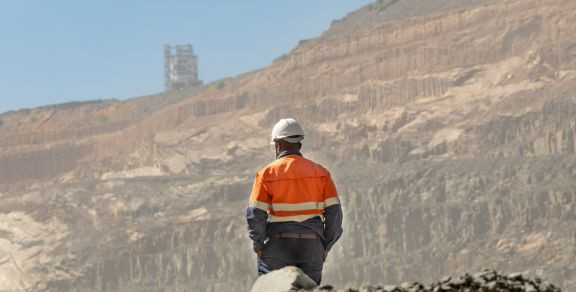
Up to 80% of the value of rough diamonds stays in local communities, sustaining the livelihood of approximately 10 million people worldwide. Providing free education, job opportunities, local purchasing, and investments in local infrastructure, such as building schools, roads, hospitals, water and energy supplies. Sustainable development goals
The natural diamond industry aligns with the Sustainable Development Goals and Human Right Standards, addressing poverty, promoting good working conditions, ensuring health and wellbeing, fair wages, and by reducing inequality. Restoring land
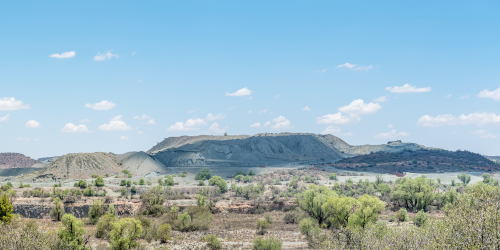
Four times the land used for diamond mining is restored. The native plant life around a mine site is harvested and the seeds replanted. This keeps the native species around a site healthy and unaffected by the mining process and protects local biodiversity by maintaining plant life. Additionally, the diamond mining industry runs and supports numerous wildlife conservation programs. This shows a strong commitment to land conservation and reducing ecological impact. Recycling water resources
84% of water used in diamond recovery is recycled. Water is scarce in many parts of Africa, where diamond mining companies often operate. Alternative water resources are constantly investigated; and recovery and recycling programs are put in place. No use of chemicals
Approximately 99% of the waste generated from diamond recovery are natural materials such as soil and rock. The extraction process for natural diamonds does not involve the use of chemicals. This minimizes irreversible damage to the environment.