












Black Friday
Code: BLACKFRIDAY2026
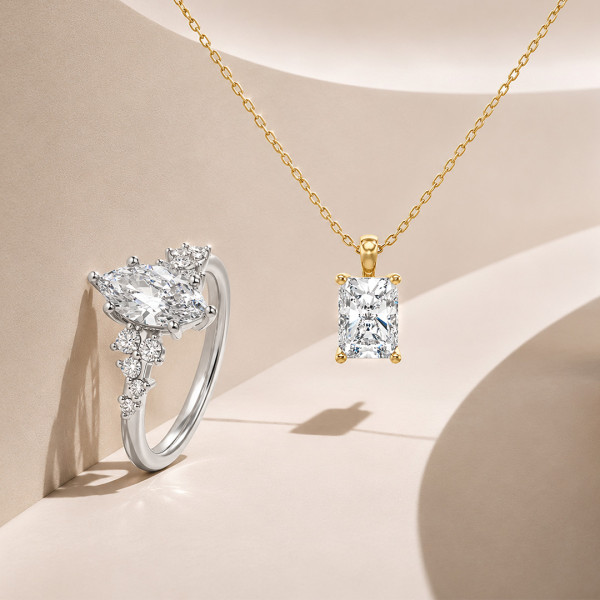
This Black Friday, elevate your diamond jewel with a complimentary upgrade in Colour, Clarity or Cut. Enjoy an exceptional diamond at no additional cost. Exclusive offer until 30 November 2026.


Anyone who wears an engagement or wedding ring all the time, knows that they can sometimes suffer as a result of conditions. You might be wondering what can damage gold, silver or platinum, depending on what your ring is made of. Salt and chlorine, in particular, can damage expensive jewellery. When you swim in the sea or a pool, you are advised to take your jewellery off.
Chlorine and saltwater can damage your jewellery, including gold, silver, diamonds, and gemstones. Chlorine can cause discolouration and weaken metals, while saltwater can erode soldered parts and stain diamonds, making them dull. To avoid damage, remove your engagement ring when swimming. Regular cleaning and professional checks can help maintain your jewellery's condition.
Are you planning to propose? Finding the right engagement ring is a defining step. Every ring is handcrafted in Antwerp from the finest materials by skilled artisans. Discover what engagement ring fits her personality.
Chlorine can do more than just discolour metal; under certain conditions it causes corrosion that weakens structure. Stress corrosion, often called stress corrosion cracking, happens when a chemical agent and mechanical strain combine to open tiny cracks in metal. In simple terms: a small crack from bending or pulling can grow over time when chloride ions are present, and that can lead to a break.
Chemically, free chlorine and chloride ions interact with moisture to attack the alloying metals in gold and silver jewellery. Pure gold and platinum are largely inert, but most pieces contain base metals such as copper, silver or nickel. Chloride ions can leach those base metals locally, creating microscopic pits. This pitting thins the surface and becomes a starting point for cracks when the piece is worn.
Solder joints, stone settings and very thin elements are especially vulnerable because they face both mechanical load and chemical attack. A solder seam often has slight differences in composition and areas of concentrated stress that chlorides target more easily. Prong tips, thin smooth links and filigree have little material reserve; when pitting removes that material, repair can be extensive. Small cracks can extend below the surface, making simple soldering or polishing insufficient - recasting or full replacement may be required.
If you notice any of these signs, have a professional jeweller inspect the piece. Early problems can sometimes be fixed with modest work, but advanced pitting or stress-corrosion usually needs more involved repair.
Not all metals and designs react the same to saltwater and chlorine. Below is a concise guide to relative vulnerability and which pieces you should consider removing before swimming.
Remove very thin chains (herringbone), plated rings and fine bracelets with many solder points, and rings with slim prongs or visible wear before using a pool, hot tub or the sea. Those items have little material reserve and repairs are often extensive or require reshaping the piece.
Have you worn your gold or diamond rings in the sea or exposed them to chlorine? Here are a few steps to take:
Never use household bleach or concentrated chlorine cleaners on jewellery. These products contain free chlorine that accelerates leaching of base metals and can speed microscopic metal loss. Bleach can also damage rhodium plating and other surface layers.
For sterling silver that is tarnished or mildly affected, make a gentle paste of three parts baking soda and one part water. Apply the paste with a soft cloth, rub gently and rinse thoroughly with clean water. Do not use abrasive materials or polishing compounds on plated pieces, as these will remove the thin layer.
Seek professional inspection if you find visible pits, flaking, loose stones or sudden weakening of chains or prongs. These signs can indicate underlying metal loss that home cleaning will not fix.
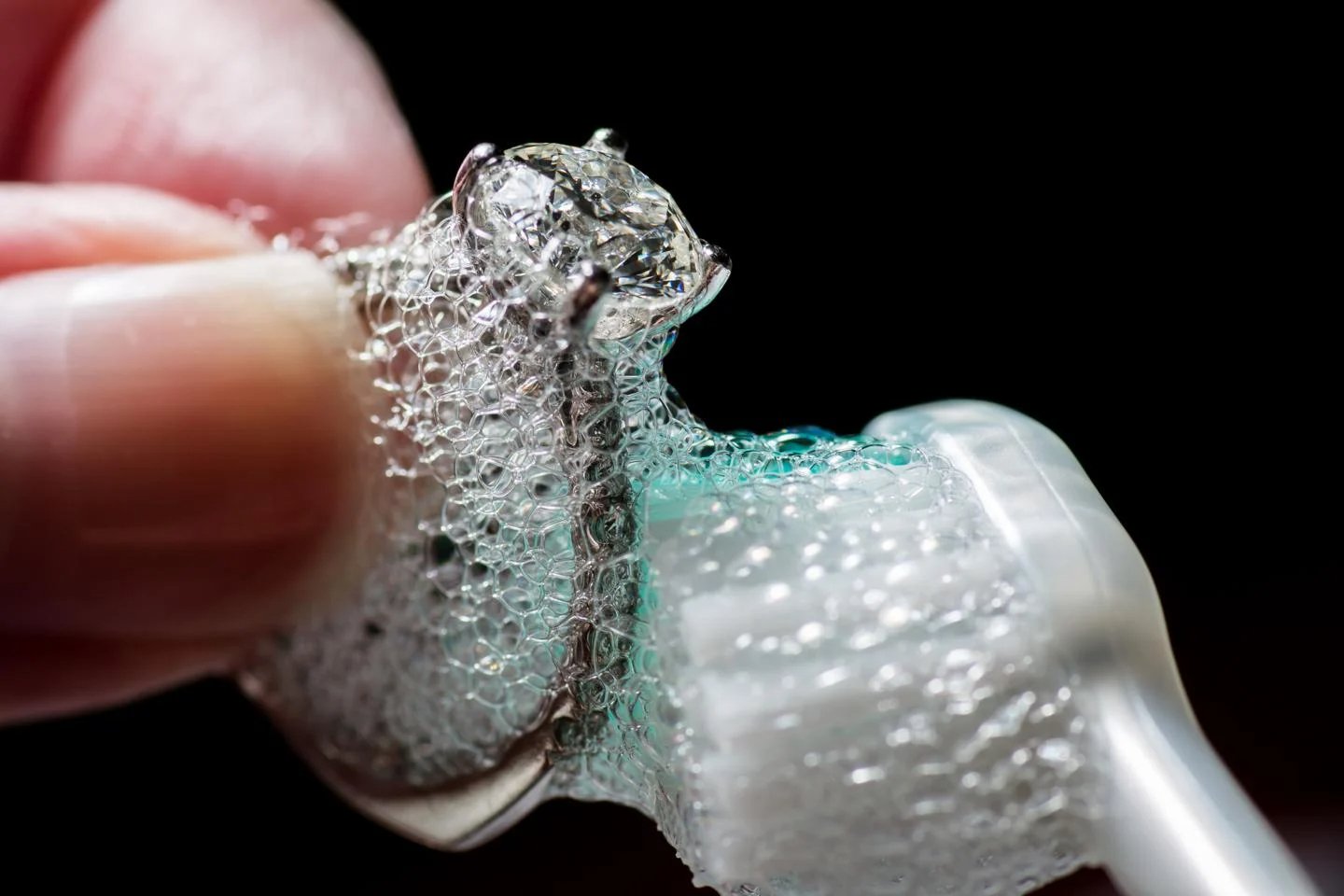
White gold is rhodium-plated for added protection, and to achieve that distinctive white sheen. That layer of rhodium is vulnerable, so you have to take care with rough surfaces, alcohol and other corrosive cleaning agents. To clean white gold, soak the jewellery in warm water with mild dishwashing liquid without ammonia and phosphates. Scrub gently with a soft toothbrush, and rinse in clean warm water. Dry your jewellery with a soft towel. If your white gold jewellery is set with diamonds or gemstones, take special care with the brush so as not to damage the stone.
It is best to store your bracelets safely in a locked box. That way they won't get lost or damaged. A separate compartment for necklaces, bracelets, earrings, rings and watches also ensures that they do not get mixed up or tangled up. There are also various hanging systems that are particularly handy for necklaces and bracelets. The ones with feet can be placed on a dressing table or sideboard as a decorative item. Hanging systems are also a good solution for bracelets. With these tips, you can take extra care of your bracelets:
It is a good idea to clean your necklace regularly to keep it looking bright and beautiful. Do not use harsh detergents. Simply mix a little spirit vinegar with lukewarm water in a bowl. Dip the chain in the vinegar mix and remove the tarnish with a soft toothbrush or soft cloth. Remove the jewellery from the bowl. Place it on a dry hand towel (or tea towel) and pat it dry.
Fabienne, manager of the German market is able to guide every client with finding the right jewel. She takes care of most of the German orders, but also takes other task on her plate. Thanks to her six years of experience at BAUNAT she acquainted well with the product and the marketing around it. Her degree in PR ensures that BAUNAT is well presented across all media channels. For anyone looking into a new investment opportunity, Fabienne is the perfect guide in this process. No question will be left unanswered, and she will help you every step of the way.
• Eternal Bloom bespoke engagement concept - Role: project lead for client briefing and prototype coordination. Fabienne translated personal design references into a 3D-printed prototype, supervised stone selection and ensured the finished piece matched the client’s vision and comfort preferences.
• Personalized anniversary necklace - Role: design coordinator and quality overseer. She managed the custom design process from the initial sketch to final polishing, liaising between client and workshop to preserve proportions and finish.
• Reimagined heirloom ring restoration and redesign - Role: client consultant and technical coordinator. Fabienne guided the client through options to modernize setting details while keeping sentimental elements, delivering a wearable result that respected the original piece.
Her hands-on involvement in bespoke commissions ensures each custom order has a clear brief, careful prototype review and close follow-up with the workshop, so clients receive a tailored jewel that meets both aesthetic and practical expectations.
For speaking engagements, press requests or research collaborations, please send your message to BAUNAT’s communications team with the subject line: "Fabienne Rauw - Professional Enquiry." Include a brief description of the request and any relevant dates or documents. The communications team will route enquiries to Fabienne and provide guidance on next steps.
A diamond jewel as a gift for Mother’s Day. BAUNAT is thé original gift for Mother’s Day. Find the perfect diamond jewel for your mother in the online shop of BAUNAT. Or...
Do you want to give your mother the perfect gift for Mother's Day? Have you thought about giving her a piece of jewellery? Find out more at BAUNAT.
Every woman should have 4 must have jewellery pieces. Find out which ones and let our experts at BAUNAT guide you.
This Black Friday, elevate your diamond jewel with a complimentary upgrade in Colour, Clarity or Cut. Enjoy an exceptional diamond at no additional cost. Exclusive offer until 30 November 2026.


