












Black Friday
Code: BLACKFRIDAY2026
This Black Friday, elevate your diamond jewel with a complimentary upgrade in Colour, Clarity or Cut. Enjoy an exceptional diamond at no additional cost. Exclusive offer until 30 November 2026.


Diamonds have always captured the human imagination, either as symbols of opulence or as marvels of natural history. Their grandeur and brilliance make them some of the most sought-after gemstones worldwide. In this blog post, we take you on a captivating journey through some of the most famous and largest diamonds in the world. Whether you're a gemstone enthusiast, an avid diamond jewellery collector, or a history buff, these diamonds offer a tantalising glimpse into a world of luxury and craftsmanship.
The world's largest coloured diamonds
The world’s largest heart-shaped diamond
The largest diamond in the universe
Top-5 most expensive diamonds in the world
Another five famous diamonds
Discover the BAUNAT diamond rings
The world's most famous and largest diamonds include the Cullinan diamond, a 3106.75 carat giant; the Lesedi La Rona, the second-largest at 1109 carats; and the Golden Jubilee, the largest coloured diamond at 545.67 carats. Noteworthy heart-shaped diamonds such as 'Love at First Sight' are also significant. The Koh-i-Noor and the Hope Diamond are among the most expensive diamonds with rich histories. Additionally, a diamond-encrusted white dwarf star in space highlights the natural marvel of diamonds.

.
When a diamond is first pulled from the earth its weight is recorded as the rough weight. That single figure shows how much carbon was recovered, but it does not indicate how much polished gemstone will result. The finished or cut carat weight is the mass of the polished stones produced after planning, cleaving and cutting, and it is this number that collectors and museums usually compare when they speak of a "largest cut" diamond.
Yield from rough to polished depends on several factors: the rough stone's internal clarity, the placement of inclusions, natural crystal shape and the cutter’s choices about how best to use the material. A very large rough can be porous, included or fractured in ways that force cutters to sacrifice weight to produce gem-quality faceted stones. Conversely, a smaller rough of excellent clarity and shape can yield a single, impressive finished gem.
Classic examples make the distinction clear. The Cullinan rough weighed 3,106.75 carats but was cleaved and cut into 105 polished stones, the largest of which is Cullinan I at about 530.4 carats. The Lesedi La Rona, at 1,109 carats rough, was also cut into multiple stones rather than being left as one single massive gem. These outcomes show why a list that ranks "largest rough" will differ from one that ranks "largest polished" or "largest wearable" diamonds.
For readers and researchers, the practical takeaway is simple: check which measure an article uses. "Largest rough" is a geological note, useful for understanding the scale of a find. "Largest cut" or "largest polished" reflects the human decisions of cutting and the gem-quality result. Both measures are valid, but they answer different questions about a diamond’s story and value.
Not every enormous rough is suitable for faceting into a museum-grade gemstone. Carbonado, often called black diamond, is a polycrystalline form of carbon with a porous aggregate structure that explains why these stones are used more for industrial purposes than for jewellery. The Sergio carbonado, commonly cited with a reported rough mass around 3,167 carats, is the largest known rough by mass; its structure and surface porosity mean it does not produce large, transparent, faceted gems like single-crystal diamonds do.
Because carbonados differ from gem-quality octahedral crystals, they are usually placed in a separate category. Many reference lists therefore distinguish "largest rough" finds - which may include carbonados and other non-gem material - from "largest gem-quality" or "largest polished" diamonds, which track those roughs that yielded transparent, faceted gemstones. Catalogues and museum inventories make this distinction to avoid conflating raw mass with gem-quality outcome.
On this page we focus the main lists on gem-quality examples and historically significant polished stones. Acknowledging the Sergio and other carbonados completes the record of remarkable finds, but these entries are geological curiosities rather than contenders for the title of "largest gem-quality diamond."
When the enormous Cullinan rough arrived in Europe it presented both an opportunity and a technical challenge. The firm of Joseph Asscher in Amsterdam was commissioned to cleave and cut the stone. Preparing the Cullinan required careful study: the cutters spent months examining internal strain and inclusion lines to plan a sequence of cleaves and cuts that would maximise the yield of gem-quality material while avoiding catastrophic breakage. The decisive moment came when a controlled incision and a single, calculated blow produced the first major split. What followed was a programme of sawing and polishing to produce the suite of finished gems we know today.
The principal stones produced from the Cullinan rough include several of the most celebrated polished diamonds in existence. Key examples are:
These nine named stones are the principal gems; the original rough ultimately yielded 105 polished stones in total. Gemological notes on the largest pieces record that several of the principal Cullinan stones are of exceptional purity and are classified among the top-quality Type IIa diamonds, a feature that contributes to their historical and material importance.
Including the cutting story alongside per-stone details helps explain why the Cullinan remains a singular example of both natural scale and human craftsmanship: the final set of polished gems reflects the cutters’ choices to balance size, clarity and symmetry, producing pieces that now form part of the most famous royal regalia in the world.
It is said there is a curse on the Hope diamond that brings misfortune to the wearer. The first stories of a possible curse surfaced in 1909.
Fabienne, manager of the German market is able to guide every client with finding the right jewel. She takes care of most of the German orders, but also takes other task on her plate. Thanks to her six years of experience at BAUNAT she acquainted well with the product and the marketing around it. Her degree in PR ensures that BAUNAT is well presented across all media channels. For anyone looking into a new investment opportunity, Fabienne is the perfect guide in this process. No question will be left unanswered, and she will help you every step of the way.
• Eternal Bloom bespoke engagement concept - Role: project lead for client briefing and prototype coordination. Fabienne translated personal design references into a 3D-printed prototype, supervised stone selection and ensured the finished piece matched the client’s vision and comfort preferences.
• Personalized anniversary necklace - Role: design coordinator and quality overseer. She managed the custom design process from the initial sketch to final polishing, liaising between client and workshop to preserve proportions and finish.
• Reimagined heirloom ring restoration and redesign - Role: client consultant and technical coordinator. Fabienne guided the client through options to modernize setting details while keeping sentimental elements, delivering a wearable result that respected the original piece.
Her hands-on involvement in bespoke commissions ensures each custom order has a clear brief, careful prototype review and close follow-up with the workshop, so clients receive a tailored jewel that meets both aesthetic and practical expectations.
For speaking engagements, press requests or research collaborations, please send your message to BAUNAT’s communications team with the subject line: "Fabienne Rauw - Professional Enquiry." Include a brief description of the request and any relevant dates or documents. The communications team will route enquiries to Fabienne and provide guidance on next steps.
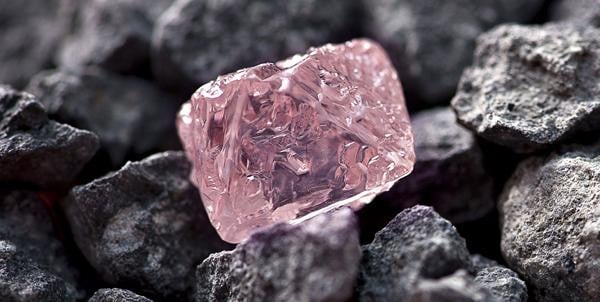
Discover BAUNAT's commitment to quality and service through the story of the 12.76 carat pink diamond, an exceptional find from Australia's Argyle Mine.
On the 26th of June 2014, American astronomers discovered a white dwarf in the sky. This is a very dark star emitting very low temperatures. Find out more at BAUNAT.
The sapphire engagement ring that Prince Charles gave to Lady Diana is one of the most famous rings in the world. Learn more about the ring with BAUNAT.
This Black Friday, elevate your diamond jewel with a complimentary upgrade in Colour, Clarity or Cut. Enjoy an exceptional diamond at no additional cost. Exclusive offer until 30 November 2026.


